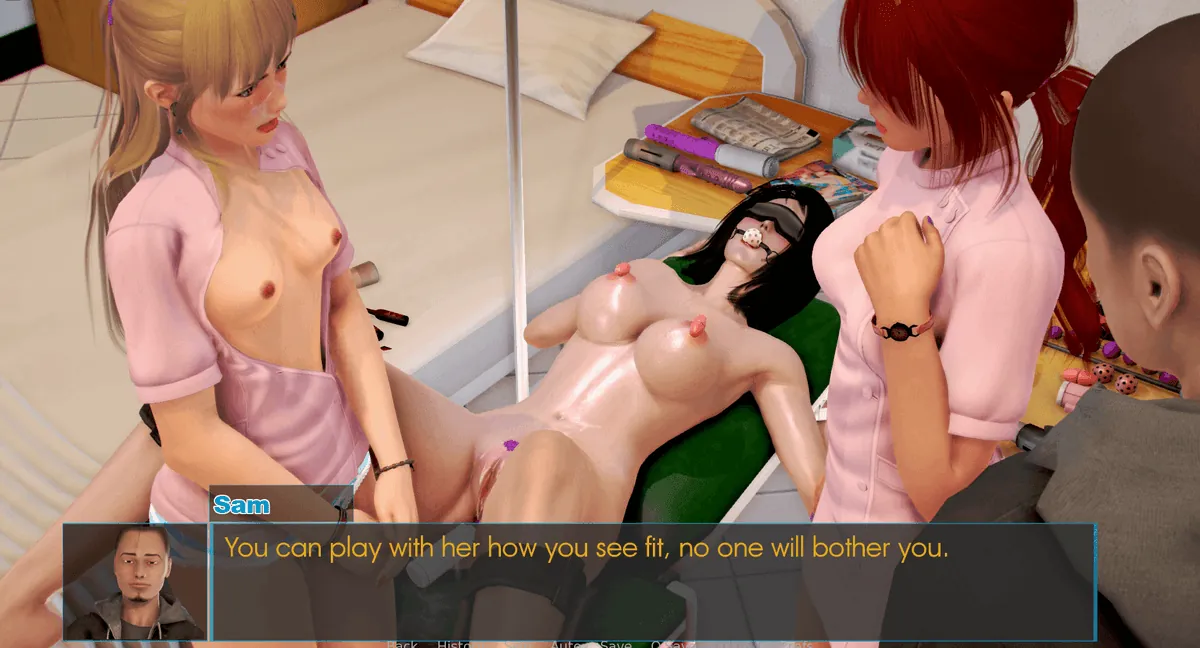
Play Bad Memories
Bad Memories Screenshots
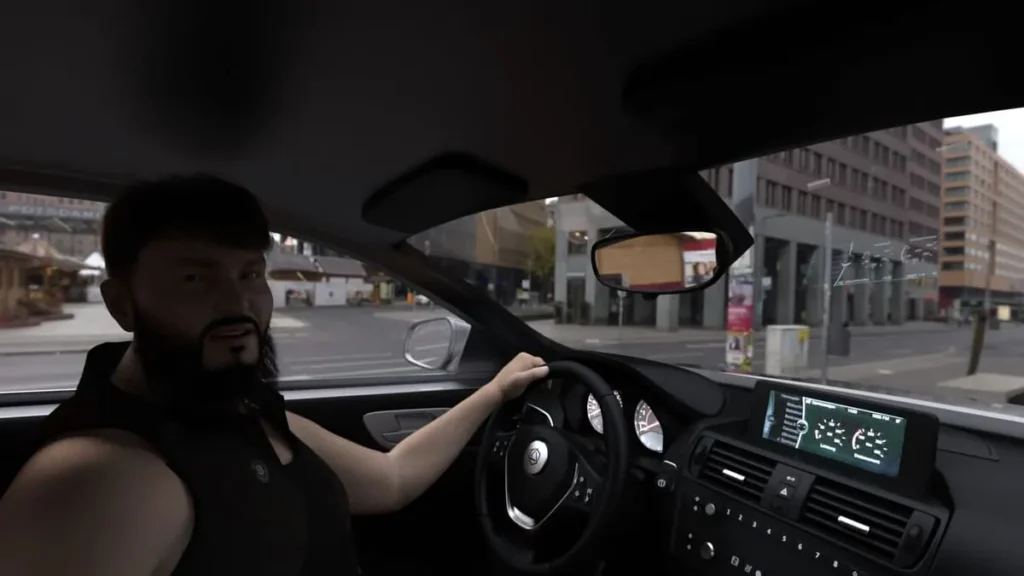





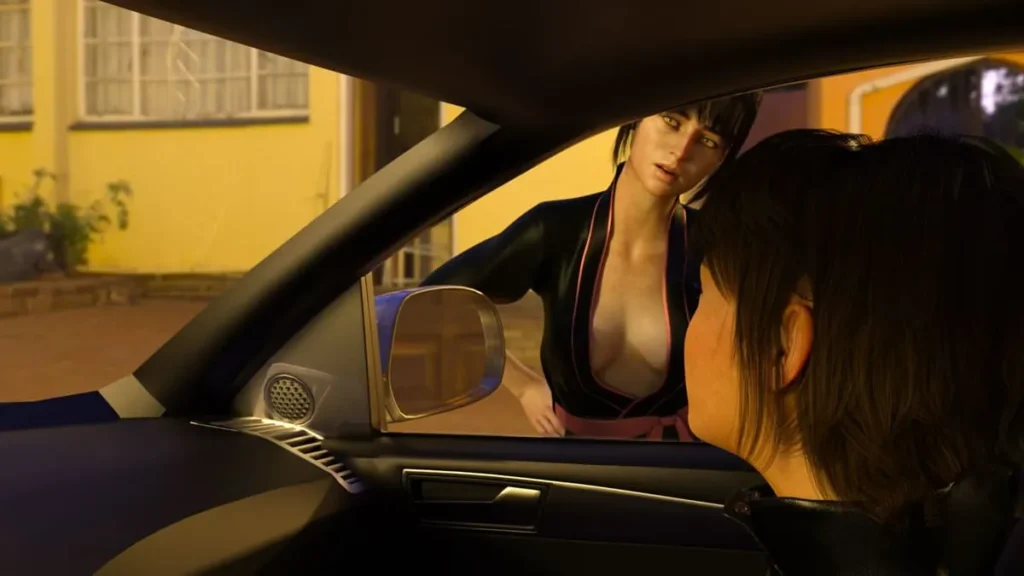

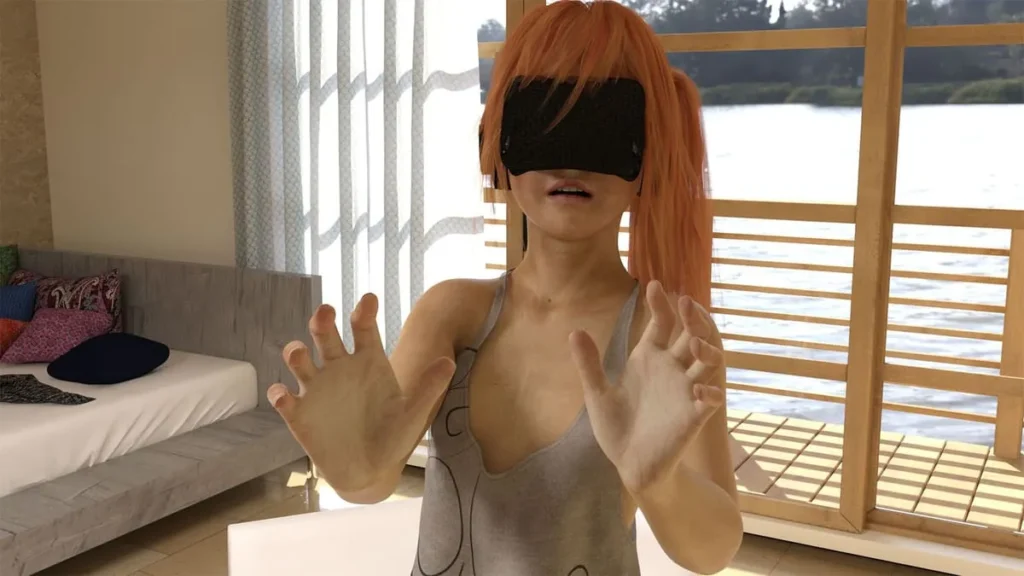
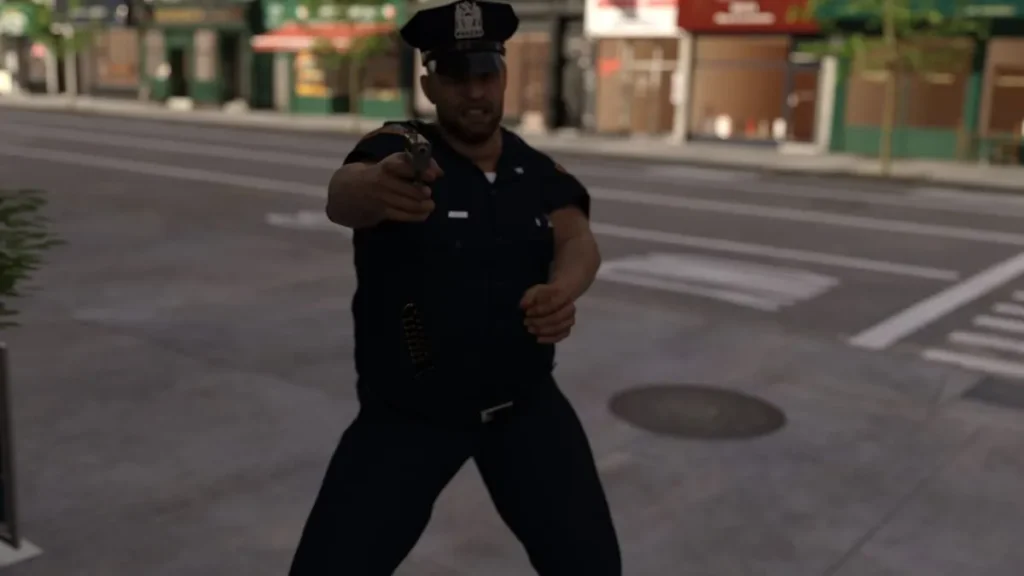





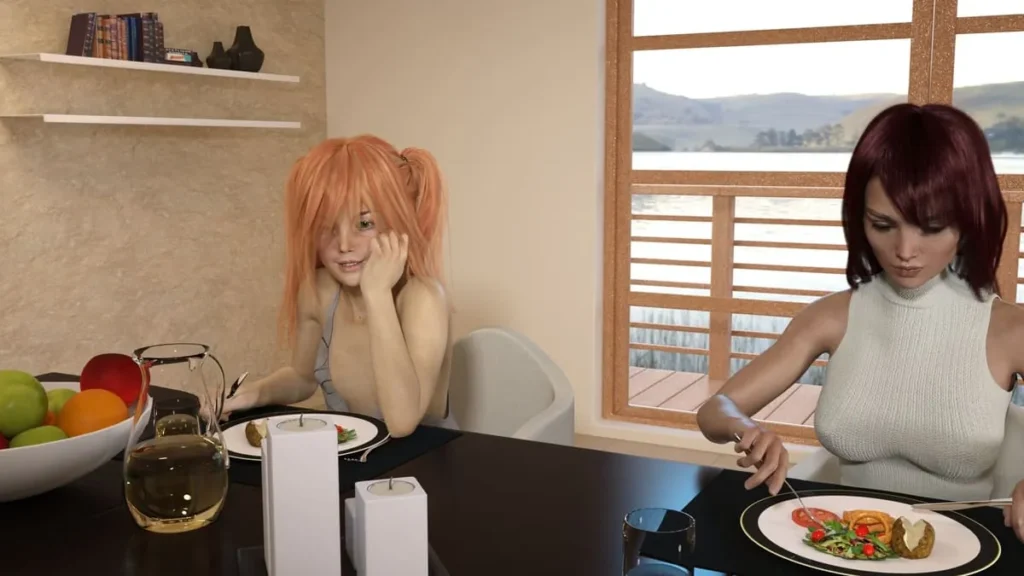

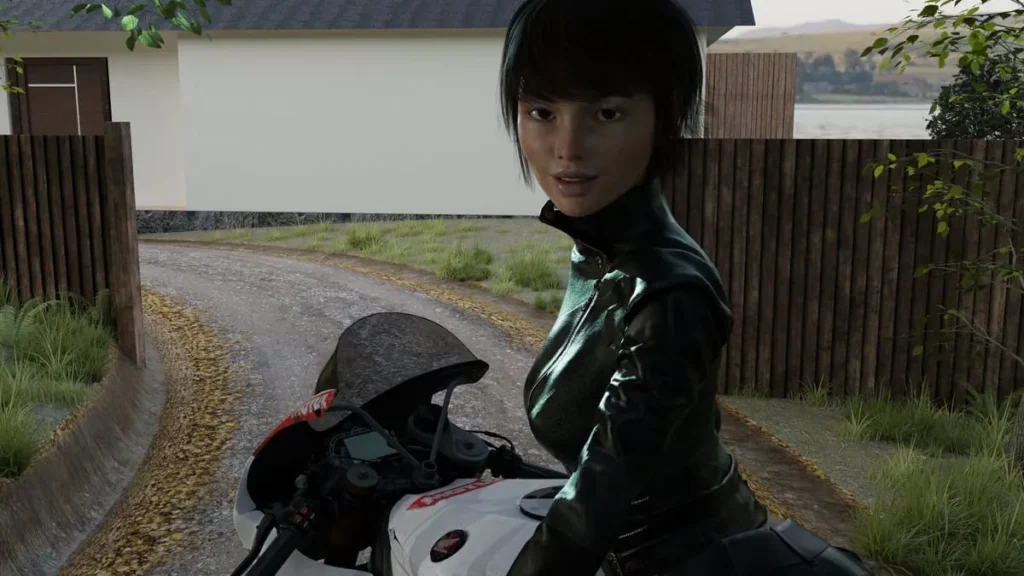

Bad Memories review
Honest look at Bad Memories, how it plays, what to expect, and whether it’s worth your time
Bad Memories is a choice‑driven visual novel that blends drama, romance and adult themes with a surprisingly emotional story and multiple branching paths. If you’ve just discovered Bad Memories or you’re wondering whether you should invest time into it, this guide will walk you through how the game works, what makes the characters and choices so engaging, and some practical tips to get the most out of your playthrough. I’ll also sprinkle in personal impressions and examples from my own routes so you know what to realistically expect.
What Is Bad Memories and How Does It Play?
So you’ve heard the name Bad Memories floating around and you’re curious. Maybe a friend mentioned it, or you saw some intriguing artwork. But what exactly is this game, and more importantly, how do you actually play it? 🤔
Let’s pull up a chair and break it down. Think of this as your friendly primer before you dive in. We’ll look at what the Bad Memories game is about at its core, how its unique style of interaction works, and what you should know to get the best start.
What is the basic premise of Bad Memories?
At its heart, Bad Memories is a story-first, choice-based visual novel built around adult themes and complex relationships. It’s less about puzzles or action and more about living through a narrative where your decisions genuinely shape the people around you and the story’s outcome. You’ll spend most of your time reading beautifully crafted dialogue and descriptive narration, with the power to steer conversations and events at critical junctures.
The core setup places you in the shoes of a protagonist returning to a complicated home situation. You’re dealing with a fractured past—partial recollections of events that left emotional scars—while trying to navigate the present. This involves rebuilding (or perhaps dismantling) relationships with a cast of characters, each carrying their own secrets and baggage. The Bad Memories story overview is essentially an exploration of trust, consequence, and the messy reality of human connection.
The game masterfully blends slice-of-life moments with intense drama. One scene might have you going through a casual daily routine or sharing a quiet coffee, and the next could plunge you into a heated confrontation about long-buried truths. It’s this mix that makes the world feel lived-in and the stakes feel personal.
On my very first run, I made the classic beginner’s mistake: I treated it like a simple, casual story and clicked through choices based on my momentary mood. It wasn’t until much later I realized how many subtle relationship flags and early scenes I had completely missed!
To quickly summarize what you’re getting into:
- Story-Focused Experience: The narrative is the main event. Your primary interaction is reading and making choices.
- Meaningful Choices: Decisions affect character affection, dialogue paths, and which story routes you unlock.
- Branching Routes: Your playstyle determines which character’s story you follow and how it ends.
- Mature Tone: Designed for adults, it explores complex emotional and relational themes.
So, if you’re asking “what is the Bad Memories game about?”—it’s about stepping into a life in progress and discovering how your influence changes its trajectory. 🎭
How does the choice-based gameplay in Bad Memories work?
Alright, so you know it’s a story with choices. But how does that actually function from a player’s perspective? The Bad Memories gameplay is structured and deliberate, giving you a surprising amount of control over your daily life in the game.
The story progresses through a clear day-by-day structure (often labeled Day 1, Day 2, etc.). Each day is broken into segments, typically morning, afternoon, and evening, where you’ll experience scenes with different characters. The flow isn’t just linear; you’ll often be presented with a map or a menu of options for how to spend your time.
This is where the magic happens. The choice points generally fall into a few categories:
- Dialogue Choices: The most common. During conversations, you’ll pick from 2-4 responses. These can immediately change a character’s mood, build or erode affection points hidden under the hood, or set a narrative tone that opens or closes future possibilities.
- Location Decisions: “Where do you go this afternoon?” Choosing to visit the park, a character’s home, or stay in can trigger entirely different scenes and character interactions.
- Action/Event Pursuit: Sometimes you’ll choose whether to investigate something, confront a person, or let an issue lie. These are often major branching points.
It’s crucial to understand that many choices have delayed consequences. A seemingly minor, slightly cold reply on Day 2 might be remembered by a character on Day 10, making them less likely to confide in you during a crucial moment. This is what makes the Bad Memories visual novel feel so reactive and personal.
For example, here’s a mini anecdote from my first playthrough:
Early on, I had the option after work to “Head straight home” or “Check out the old diner.” I was tired and chose to go home, which led to a nice scene with my housemate. Simple, right? On a replay, I chose the diner. Not only did I run into a different major character, unlocking a whole new thread of conversation, but that chance meeting became a reference point much later in the story, opening up a scene I never knew existed. My casual choice had quietly locked or unlocked a branch of the story.
This brings us to a core tenet of how to play Bad Memories: replays are not just encouraged; they’re essential. You are meant to miss things on your first go. Seeing how different choices weave alternative narratives is a huge part of the experience. Some deeper story routes require specific, consistent behavior or a series of correct location visits to unlock.
To visualize a typical gameplay loop, here’s a simplified breakdown:
| Game Phase | Your Typical Actions | Potential Outcome |
|---|---|---|
| Morning Scene | Read narrative, engage in dialogue with choices. | Set the day’s tone, influence a character’s immediate disposition. |
| Afternoon Free Time | Choose a location from the map (e.g., City Center, Library, Lucy’s Apartment). | Trigger a unique scene with a character who is there, advancing their specific subplot. |
| Evening Scene | More story progression, often with key decision points. | Major plot developments based on your accumulated choices and affections. |
What should new players know before starting Bad Memories?
Before you hit that “New Game” button, let’s set the right expectations and arm you with some practical tips. This isn’t your average light-hearted dating sim—it’s a mature game for adults. The Bad Memories story overview includes explicit intimate scenes, deals with heavy emotional topics like trust and betrayal, and doesn’t shy away from interpersonal drama. Make sure you’re comfortable with that going in. 🔞
My number one piece of advice? Read carefully and pay attention. This seems obvious for a visual novel, but it’s easy to start skimming. Characters will often hint at their likes, dislikes, and past traumas in subtle ways. Your ability to pick up on these cues and respond appropriately is often what determines if they open up to you. A character might mention offhand they hate crowded places; later, inviting them to a busy bar might be a quick way to lose their trust.
Here is some actionable advice for your Bad Memories beginner guide playbook:
- Save Often, and in Multiple Slots: This is non-negotiable. Before any major choice, create a new save file. The game has branching paths, and you’ll want to backtrack to key decision points without replaying hours of content. I keep a “Chapter Save” at the start of each day and “Choice Saves” before big moments.
- Don’t Skip Text Blindly: The “Skip” function is fantastic for replays, but using it on your first run is a surefire way to miss the small, seemingly inconsequential lines that are actually route flags.
- Experiment with Playstyles: Consider dedicating your first two playthroughs to different approaches. Maybe one where you’re genuinely kind and considerate, and another where you’re more self-interested or playful. The contrasting outcomes are often stark and really showcase the depth of the Bad Memories gameplay.
- Explore Every Location: If you have free time and a map, try to visit every available location at least once across different playthroughs. Scenes and character appearances can be conditional and easy to miss.
A final personal insight: this is a game about patience and observation. Rushing through to “see all the scenes” will actually prevent you from seeing them. Let the story breathe, think about your choices, and don’t be afraid to follow your gut—even if it leads to a messy, dramatic outcome. Sometimes those are the most memorable stories.
So, is it worth your time? If you’re looking for a passive experience, maybe not. But if you want to actively inhabit a story where your voice matters, where you can peel back layers of character through your actions, and where no two playthroughs are ever quite the same, then the Bad Memories game offers a deeply engaging and replayable journey. Your choices aren’t just buttons to press; they’re the tools you use to dig into the past and shape a new future. 🕯️
Bad Memories is more than a simple click‑through game; it’s a layered, character‑driven story that rewards you for paying attention to details and being intentional with your choices. Once you understand how the day structure, choices and relationship paths come together, it becomes much easier to relax into the narrative and enjoy the ride instead of worrying about missing everything. If you’re curious, start with a relaxed first playthrough where you follow your instincts, then circle back with a second run to chase the scenes and outcomes you missed. That balance between discovery and replay is where Bad Memories really shines.