Evermore
Play Evermore
Evermore Screenshots











Evermore review
Exploring story, choices, and gameplay design in Evermore
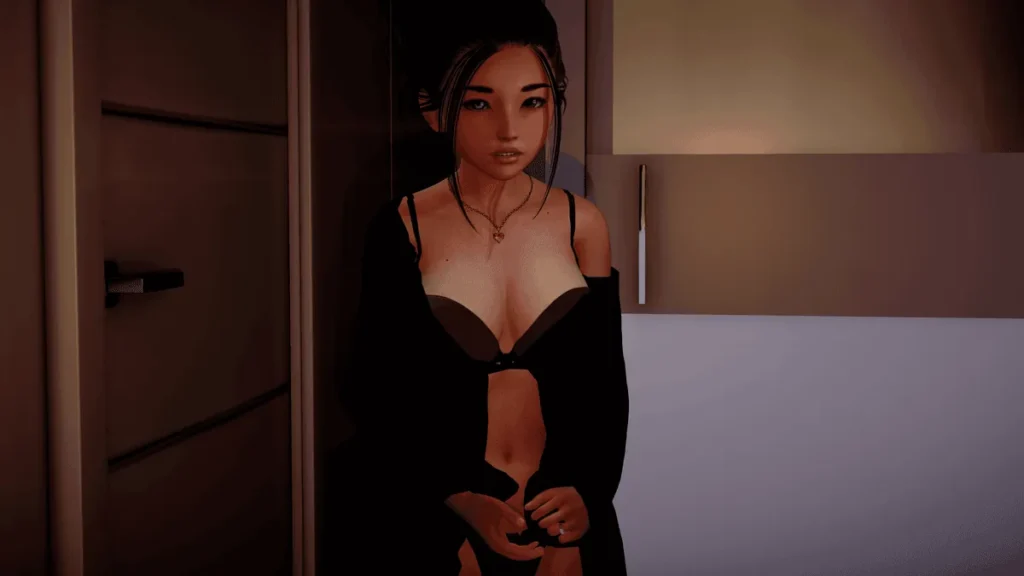
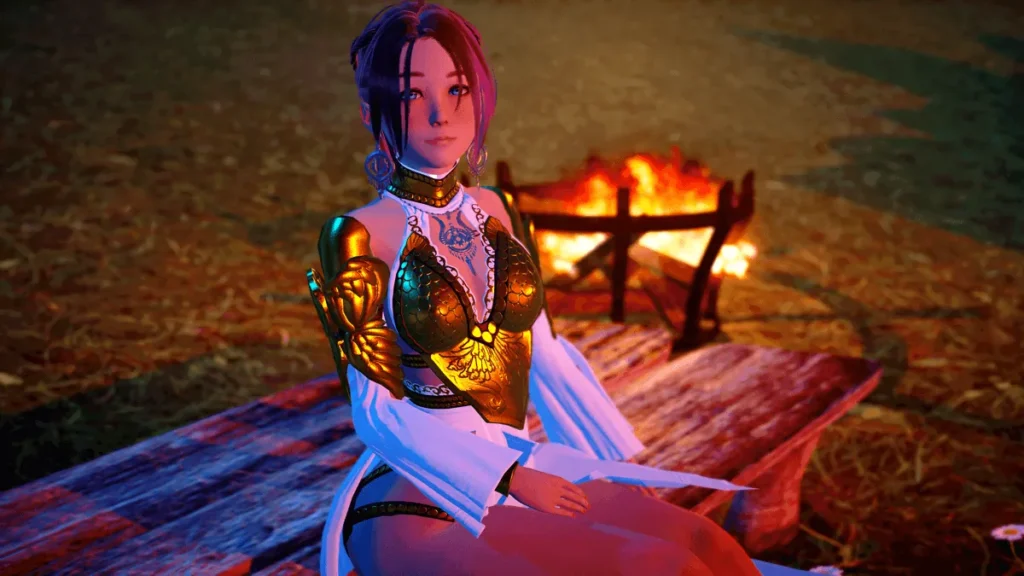
Evermore is an adult-focused visual novel style game that blends character-driven storytelling with interactive choices and relationship-building. People hear the name, see a few striking screenshots, and naturally wonder: what is Evermore really like to play, beyond the marketing blurbs? In this article, I’ll walk you through how Evermore feels from a player’s perspective – the narrative structure, the main characters, the relationship systems, and how the game balances mature content with story. I’ll also share a few personal impressions and practical tips to help you decide if Evermore matches what you’re looking for in an adult narrative game.
What Is Evermore and How Does It Play?
So you’ve seen the name Evermore popping up in your favorite forums or on social media, maybe accompanied by some stunning character art, and you’re curious. What exactly is this game? Is it another dating sim, a kinetic novel, or something more? Let’s pull back the curtain. At its heart, Evermore is a mature, narrative-driven experience—an adult-focused visual novel that prioritizes emotional depth, intricate character relationships, and the weight of your decisions above all else. If you’re coming here looking for fast-paced action or puzzle-solving, you’ve taken a wrong turn. But if you’re someone who loves to get lost in a world, to shape relationships through dialogue, and to see your choices ripple through a story, then you’re in the right place. This Evermore game is all about the journey, not the destination. 🧭
Core premise and setting of Evermore
The world of Evermore is a character in itself, often walking a fine line between the familiar and the intriguingly stylized. You might find yourself navigating rain-slicked city streets that pulse with neon, or quieter, more intimate spaces like a cozy apartment or a secluded bar where the real conversations happen. The setting isn’t just a backdrop; it’s a mood-setter. The general tone leans into drama, romance, and suspense, often blending them together. One moment you might be sharing a vulnerable, tender conversation, and the next, you could be dealing with the consequences of a power play or a moral dilemma that has no easy answer. 😌⚖️
In this Evermore visual novel, you typically step into the shoes of a central protagonist. Your role isn’t to be a silent observer, but an active participant navigating a web of relationships and personal dilemmas. The themes here are mature and human: building emotional connections, navigating issues of trust and betrayal, exploring complex power dynamics, and making moral choices that rarely have a purely “good” or “bad” outcome. The game aims to weave adult content directly into this ongoing character and story development. Rather than feeling like isolated episodes, these intimate moments are framed as key beats within a character’s arc—a culmination of built-up tension, trust, or conflict. This integration is what sets the Evermore story overview apart; it’s about the story first, with everything else serving that narrative.
How the story and choices in Evermore unfold
So, how does Evermore play? Let’s talk about the Evermore gameplay loop, which is the heartbeat of the experience. If you’re new to visual novels, don’t worry—it’s beautifully straightforward on the surface, but deliciously complex underneath.
The basic flow goes like this: You read through beautifully rendered scenes and character dialogue. At key junctures, you’ll be presented with response options. These aren’t always simple “Nice/Jerk” replies; they can range from flirtatious and bold to cautious, sympathetic, or even strategically aloof. Selecting a response is your primary form of interaction. These choices can influence a character’s affection or disposition toward you, lock or unlock future scenes, and gently (or sometimes drastically) steer the narrative path you’re on.
You’ll often progress through structured chapters or “days,” with key decision points acting as branches. The magic lies in the ripple effect. A choice you make in Chapter 2 might subtly change how a character speaks to you in Chapter 4, or completely alter which scene you experience next. This makes replayability a huge part of the fun. Want to see what happens if you were more reserved with one character and more open with another? You’ll likely have to play through again to find out.
Here’s some practical advice for your playthrough:
Save often, and in multiple slots! Before any major decision, create a new save. It’s your ticket to exploring narrative branches without losing hours of progress.
Take your time. Read the dialogue and observe character expressions. A sigh, averted eyes, or a smirk can tell you as much as the words themselves.
Don’t stress about “perfect” play. Part of the enjoyment is living with your decisions and seeing where they lead, even to bittersweet or complicated outcomes.
Use the backlog. Missed a line? Most visual novels, including Evermore, let you scroll back through recent text.
To break it down, the Evermore gameplay experience rests on a few core pillars:
- A Compelling Narrative: The story is the main event, driven by character goals, conflicts, and world-building.
- Meaningful Choices: Your decisions directly influence relationships and plot branches, giving you a real sense of agency.
- Relationship-Building: Connections develop over time through consistent interaction and key choices, mirroring real dynamics.
- Integrated Adult Content: Mature scenes are treated as narrative milestones within character arcs, not isolated moments.
My first hours with Evermore: a personal take
Let me give you my Evermore first impressions from a fictional, but very realistic, first evening with the game. I booted it up after dinner, curious to see what the buzz was about. The title screen alone set a tone—atmospheric music, evocative artwork that promised drama, and a clean, polished interface. 👍
The introduction hooked me immediately. Without spoiling anything, it dropped my protagonist into a situation that was immediately fraught with personal history and unspoken tension. The writing was sharp, and the voice acting (if present) or the strong character portraits did a fantastic job of conveying mood. I wasn’t just reading a story; I was being positioned inside of one.
Within the first thirty minutes, I faced a choice that genuinely made me pause. It was a seemingly simple dialogue option regarding how to handle a delicate piece of information. One path felt diplomatically safe, another was boldly confrontational, and a third was deceptively playful. I sat there, mouse hovering, thinking about the character I was speaking to and what I wanted our dynamic to be. That moment of hesitation was the first sign that Evermore was doing its job—it was making me care about the consequences.
As I played through my first few chapters, I appreciated the pacing. It took time to let conversations breathe, to establish setting and mood. Some might call this slow, but I’d call it deliberate. The polished elements were clear: the consistent quality of the art, the thoughtful UI, and the obvious care put into character design. If there was any roughness, it might surface in the occasional pacing lull or a dialogue line that didn’t land quite as intended, but these were minor in the grand scheme.
My gut feeling after that first session?
“After an hour with Evermore, I realized it cares more about characters than shock value.”
This Evermore game feels ideal for a specific kind of player: someone who loves slow-burn relationship-building, who gets a kick out of experimenting with dialogue options to see every possible reaction, and who views intimate scenes as a part of a larger emotional story rather than the sole objective. It’s for the reader, the empath, the virtual people-person.
Is Evermore worth playing? A quick guide.
So, who is this game for, and who should maybe look elsewhere? Let’s break it down.
| This Game is IDEAL For You If… | You Might Want to Skip It If… |
|---|---|
| You love narrative-driven games where your choices matter. | You prefer gameplay focused on action, combat, or reflexes. |
| You enjoy deep character studies and complex relationship dynamics. | You’re looking for a light-hearted, purely comedic experience. |
| You appreciate replaying stories to uncover different paths and endings. | You want a short, one-session story with a linear plot. |
| You view adult content as one narrative element among many, not the sole focus. | You are uncomfortable with mature themes and dramatic, emotionally charged stories. |
Ultimately, the question of is Evermore worth playing hinges on what you value in a game. If you want an engaging, choice-rich story that isn’t afraid to explore mature themes with depth and consequence, then Evermore offers a compelling and polished experience that’s easy to get lost in. It’s a testament to the power of the visual novel format when it’s executed with a clear vision for character and story first. Your journey through its world is truly your own to shape. 🌟
Evermore is the kind of game that lives and dies by its characters, dialogue, and the small decisions you make along the way. Rather than rushing you from scene to scene, it invites you to slow down, pay attention to reactions, and deliberately shape your relationships through choices. If you enjoy narrative-driven, adult-focused experiences where the tension comes from emotions and not just spectacle, Evermore is easy to sink time into and replay for different outcomes. Before you dive in, think about the type of story you want to experience, pick a route that fits your taste, and don’t be afraid to experiment with different decisions to see how the game responds.