Healslut
Play Healslut
Healslut Screenshots






Healslut review
Master the interactive storytelling and strategic healing mechanics in this adult-themed RPG
Healslut represents a unique fusion of interactive storytelling and strategic gameplay within the adult gaming genre. Developed by Davie Zwei, this immersive experience blends MMO healing mechanics with dynamic relationship systems and narrative-driven choices. Whether you’re drawn to character customization, complex decision-making, or engaging roleplay scenarios, Healslut offers a distinctive gaming experience that goes beyond traditional mechanics. This comprehensive guide explores the core gameplay systems, character development options, and strategic approaches that make this title stand out in its category.
Core Gameplay Mechanics and Strategic Systems
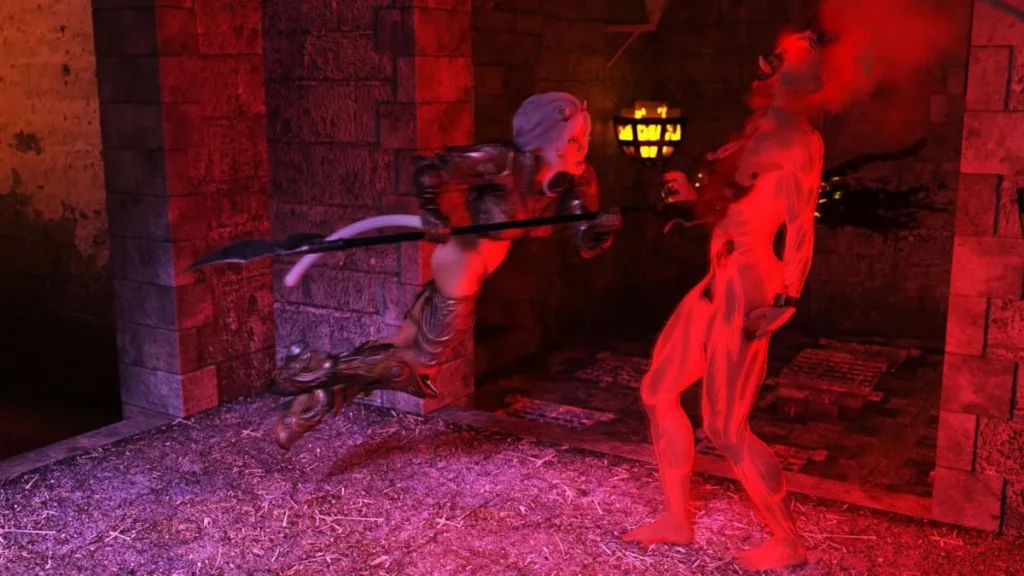
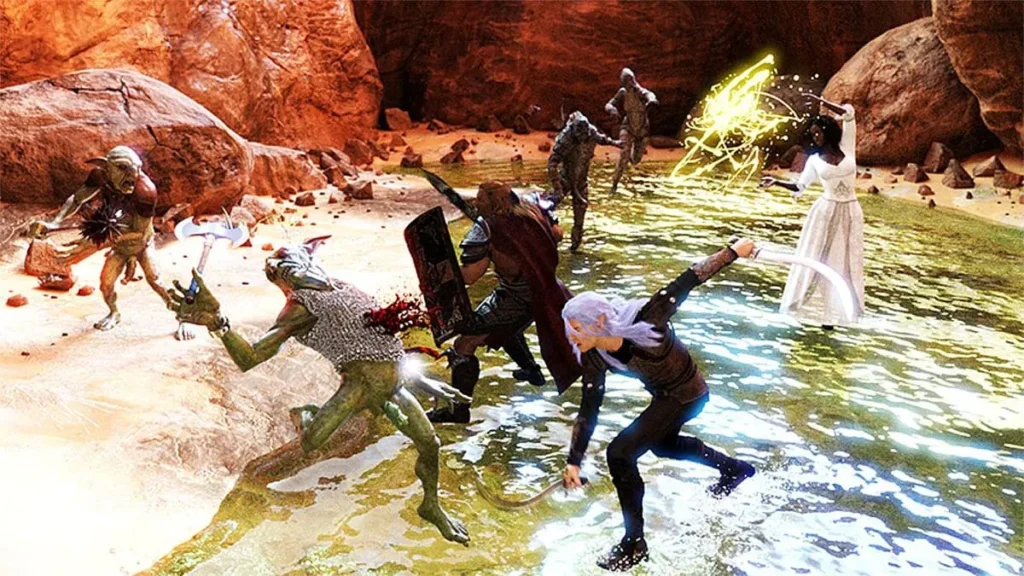
Forget everything you think you know about pressing buttons to fill green bars. 🎮 The Healslut gameplay mechanics are a fascinating, deep, and surprisingly strategic fusion of classic MMO healing, intimate storytelling, and tactical resource juggling. It’s less about mindless clicking and more about becoming the emotional and tactical anchor for your partner. Your choices in the heat of battle don’t just affect health totals—they shape relationships, unlock new story paths, and determine your own growth. This chapter breaks down the core systems that make this more than just a game; it’s an interactive narrative experience powered by your decisions.
Understanding the Healing Mechanic Framework 🛡️💖
At its heart, Healslut is built on a foundation familiar to anyone who’s ever played a support role: your primary function is to protect and empower. However, the healing mechanics in adult games here are supercharged with narrative purpose. Every heal, buff, or defensive cooldown is a communication.
Instead of targeting a generic party frame, you’re focusing on a specific partner with their own personality, fighting style, and current mood. A well-timed “Barrier of Devotion” isn’t just damage mitigation; it’s a show of protective instinct that your partner will react to in real-time. They might fight more aggressively, trusting you to keep them safe, or they might vocalize their appreciation, which in turn fuels your own resources. This creates a living, breathing MMO healing class dynamic that’s deeply personal.
The game brilliantly translates classic RPG actions into context-rich interactions. Let’s look at how it transforms the mundane into the meaningful:
| Action Type | Traditional MMO Approach | Healslut’s Narrative Enhancement |
|---|---|---|
| Direct Healing | Restores X health to target. | A tactile, intimate act. The dialogue and partner’s reaction change based on the spell’s name (e.g., “Soothing Touch” vs. “Vital Surge”) and when it’s used. |
| Cleansing Debuffs | Removes a negative effect. | An act of attentive care. Successfully cleansing a dangerous effect is often praised, building trust and potentially triggering a special “Gratitude” scene. |
| Applying Buffs | Increases target’s damage or stats for Y seconds. | A empowering gesture. Phrases like “Feel my strength!” or “I’ve got your back!” accompany the buff, directly influencing your partner’s combat dialogue and aggression level. |
| Resource Generation | Gain 10 mana per second. | Often tied to positive feedback from your partner or successful execution of your role. Praise and performance literally fuel your ability to continue. |
This framework means you’re never just managing a health pool. You’re managing a relationship state, which is the true core of the Healslut gameplay mechanics. A partner who feels supported, praised, and powerful will enter a “Synced” state, making your spells more potent and costing less. A neglected or frustrated partner becomes “Strained,” causing your abilities to fizzle or backfire. It’s a constant, delightful dance of attention and strategy.
Resource Management and Energy Systems ⚡🧠
If the healing framework is the “what,” the resource system is the “how often.” And this is where your resource management strategy separates the novices from the masters. You have two primary, interconnected pools to manage: Focus and Energy.
- Focus is your tactical awareness. It depletes when you use complex abilities or multi-task under pressure. Letting Focus drop too low causes your spells to become slow and inaccurate. You regain Focus by successfully completing “concentration” mini-games during quieter combat moments or by your partner taking the offensive, giving you a breather.
- Energy is your raw magical (or spiritual) reserves. This is what actually powers your spells. The genius twist? The most efficient way to regain Energy isn’t by drinking a potion—it’s from positive partner feedback. A compliment, a victorious roar after you help them secure a kill, or a flirtatious remark mid-fight all translate into tangible Energy gains.
This creates a beautiful risk-reward loop. Do you burn a huge chunk of Energy on a massive heal now to save a dire situation, hoping for a big Energy return from your partner’s relief? Or do you use cheaper, smaller heals to slowly stabilize, conserving Energy but risking your partner’s mood dropping from taking too much damage? I remember one early boss fight where I greedily hoarded my Energy for a “perfect” final moment, only to let my partner’s trust meter plummet. When I finally unleashed my big heal, it was less effective because we were “Strained,” and we wiped. Lesson learned: consistent, attentive support is often better than reactive, flashy plays.
Your resource management strategy must also account for your partner’s “Aggression” meter. A partner fighting aggressively deals more damage but takes more in return, draining your resources faster. You can use specific “Calming” abilities to lower their aggression and conserve your Energy, or “Inspiring” ones to ramp it up, creating windows of high damage (and high resource return) but also high risk. Managing this push and pull is the core strategic challenge.
Decision-Making and Narrative Consequences 🧭✨
This is where Healslut truly shines and elevates itself into the realm of groundbreaking interactive storytelling gameplay. Every tactical choice is also a narrative one. The game presents narrative-driven combat decisions that have immediate and long-term consequences.
For example, you’re not just choosing between “Heal” or “Shield.” You might be presented with a choice during combat like:
* Option A (Tactical): “Use ‘Chain of Restraint’ to root the enemy, giving your partner space.”
* Option B (Encouraging): “Shout words of praise to boost your partner’s morale, increasing their crit chance.”
* Option C (Protective): “Throw yourself in front of the incoming projectile, taking reduced damage but guaranteeing their safety.”
Each option has a different resource cost, combat effect, and—most importantly—a unique narrative response. Choosing the protective option (C) might unlock a tender, worried dialogue scene after the battle where your partner tends to your “wounds,” strengthening a nurturing story arc. Choosing the encouraging option (B) might fuel a more dominant, confident arc for your partner. The game’s dynamic skill trees and progression are directly tied to these choices. Consistently making “Protective” decisions will unlock skills and story branches on the “Guardian” path, while “Encouraging” choices lead down the “Instructor” path.
The dynamic skill trees aren’t just lists of +5% healing. They are narrative gatekeepers. Unlocking a high-tier ability on the “Devotion” tree might require you to have made several key sacrificial choices in previous story battles. These abilities then open up new dialogue options and solutions to future narrative conflicts, creating a perfect fusion of character build and story development. It’s your personal playstyle literally writing the story.
Failure is also a powerful narrative tool. Missing a crucial heal or letting your partner fall doesn’t always mean a “Game Over” screen. Sometimes, it leads to a unique “Recovery” scene, a branching path where you deal with the aftermath of failure, which can lead to moments of vulnerability and relationship depth that a perfect victory might never unlock.
Pro Tip: Don’t reload after a “bad” decision or failure on your first playthrough. Some of the most memorable and authentic story moments come from dealing with the unintended consequences of your tactical errors.
Let’s see how this all cascades in a single scenario:
The Scenario: Mid-battle, your partner is low on health and poisoned. A powerful enemy is charging its ultimate attack.
- Your Decision: You have just enough Energy for one major action. You choose to cast “Purifying Embrace”—a powerful heal that also cleanses the poison, but leaves you with no Energy to shield against the incoming attack.
- Immediate Combat Outcome: Your partner is healed and cleansed. They survive the enemy’s big hit with a sliver of health, fueled by adrenaline, and immediately counter-attack to finish the foe.
- Relationship Change: The partner’s “Trust” and “Affection” meters skyrocket. Their post-fight dialogue is effusive and relieved, granting you a massive Energy refill. They may also adopt a slightly more reckless attitude in the next fight, trusting you to always save them.
- Narrative Branch: This “clutch save” is remembered. Several gameplay sessions later, during a story conflict about risk-taking, your partner references this moment: “You’ve always pulled me back from the edge before.” It becomes a cornerstone of your shared history, potentially unlocking a dialogue option to resolve the conflict peacefully.
This is the magic of Healslut’s design. A split-second resource management strategy choice, rooted in MMO healing class dynamics, ripples out into character development and interactive storytelling gameplay. You’re not just playing a healer; you’re co-authoring a dynamic, responsive story where every spell cast is a sentence written and every battle is a chapter of growth. Mastering this interplay is the ultimate goal, and the journey there is uniquely your own. 🏆
Healslut stands out as a sophisticated adult gaming experience that seamlessly integrates strategic gameplay with meaningful narrative choices. From its intricate resource management systems and dynamic relationship mechanics to its extensive character customization options and multiple game modes, the title offers substantial depth for players seeking engaging interactive storytelling. The game’s commitment to consequence-driven decisions, where every choice ripples through relationships and story outcomes, creates a genuinely personalized experience. Whether you’re drawn to the strategic healing mechanics, the complex relationship dynamics, or the replayability offered by branching narratives, Healslut delivers a compelling gaming experience that respects player agency. For those interested in exploring this unique corner of adult gaming, understanding these core systems will enhance your journey and help you craft memorable stories of partnership and strategic mastery.