How to Fix the Future
Play How to Fix the Future
How to Fix the Future Screenshots














How to Fix the Future review
Master the sci-fi adventure with character relationships, story choices, and gameplay mechanics
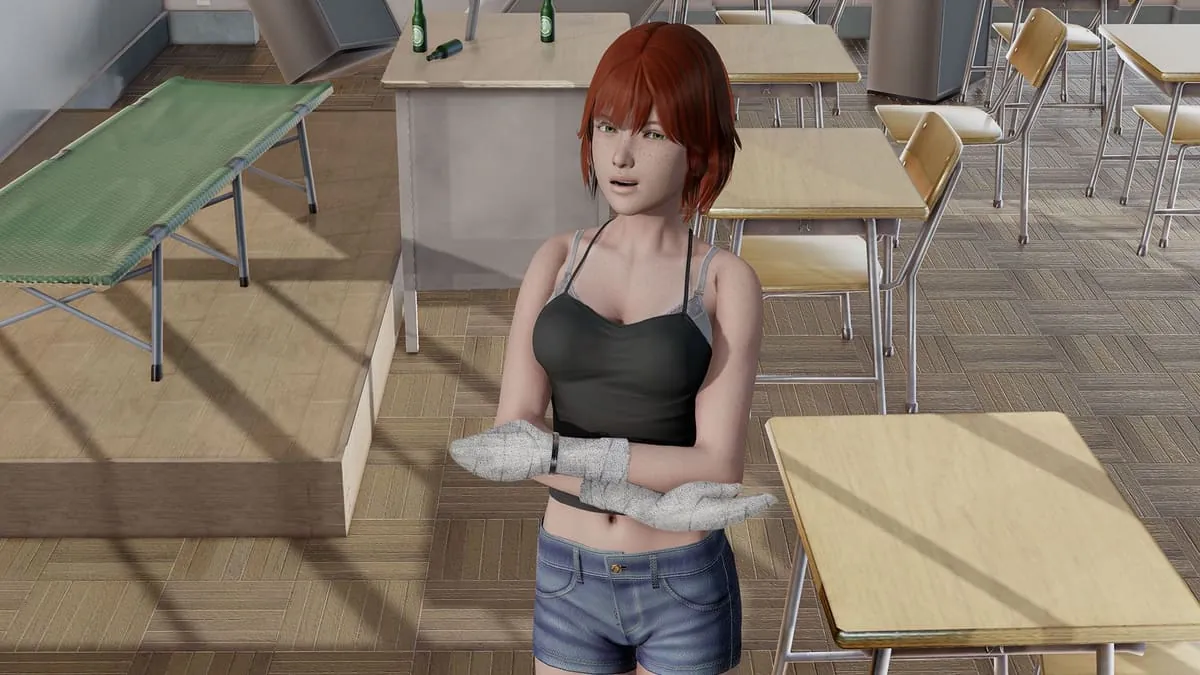
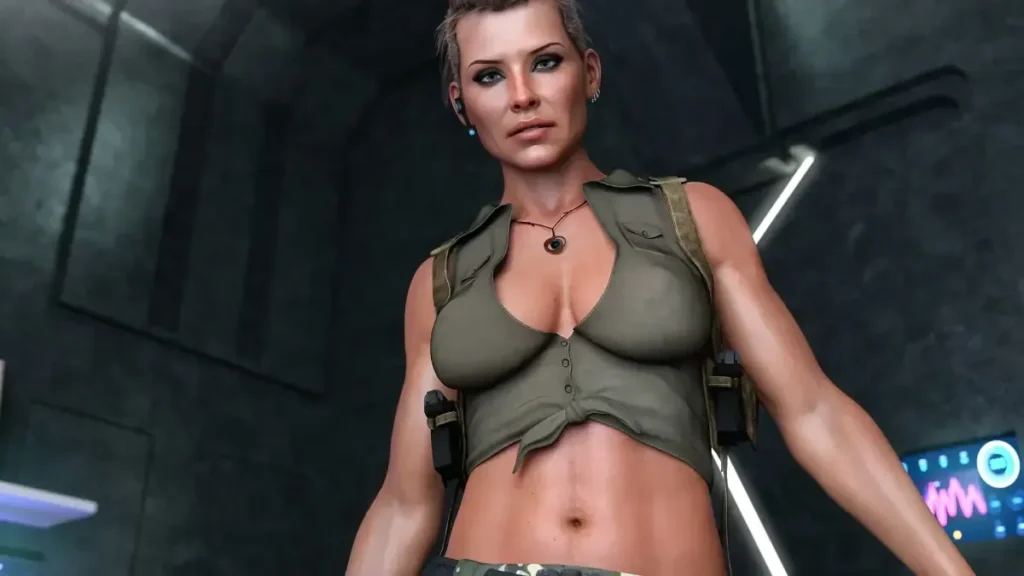
How to Fix the Future stands out as an ambitious sci-fi visual novel that blends narrative depth with meaningful player choices. This 3DCG adventure follows an ordinary protagonist whose mundane existence transforms when mysterious game disks arrive and future agents recruit them for a world-changing mission. The game excels in creating dynamic character relationships, intricate story branching, and consequences that ripple through your playthrough. Whether you’re drawn to the compelling narrative, the beautiful character designs, or the strategic decision-making, understanding the game’s core mechanics and relationship systems will significantly enhance your experience. This guide covers everything you need to know about mastering this engaging adventure.
Understanding the Core Gameplay and Story Structure
So, you’ve just started How to Fix the Future, and maybe you’re wondering what you’ve gotten yourself into. 🕵️♂️ One moment you’re a regular person with a tedious office job, and the next, you’re receiving mysterious disks and getting calls from the future. It’s a wild shift, and understanding the game’s core structure is the key to mastering it. This isn’t just a linear story; it’s a reactive world built on your decisions. Let’s break down the essential How to Fix the Future gameplay pillars that turn an ordinary life into an extraordinary adventure.
The Protagonist’s Journey: From Ordinary to Extraordinary
At its heart, How to Fix the Future is a brilliant character-driven adventure game. You don’t play as a seasoned soldier or a genius scientist. You’re you—or rather, someone startlingly relatable. Your avatar is a modern-day office worker, grinding through the soul-crushing routine of sales reports, petty office politics, and the haunting silence of an empty apartment. This deliberate normalcy is the game’s secret weapon. 🎯
Your journey begins when the mundane cracks. A strange, unlabeled disk arrives. Then, your phone rings with a caller claiming to be from the future. Suddenly, you’re thrust into a hidden war across time, recruited as an unlikely agent. This transition from “ordinary to extraordinary” is the core emotional arc. The game never lets you forget your roots; your day job, your bills, and your complicated relationships with family and coworkers are all persistent threads. This grounding makes the sci-fi elements feel more impactful. When you’re debating time paradoxes with a future agent, part of your brain is still worrying about your performance review or if you remembered your mom’s birthday. This duality creates a uniquely personal and compelling time travel narrative.
The genius here is that your background isn’t just set-dressing. Your skills as a salesman—persuasion, reading people, managing expectations—become your most valuable assets in navigating both office life and temporal espionage. The game constantly asks: how does an everyday person cope with world-altering secrets? Your answers, through the choices you make, define your unique path in this sci-fi visual novel mechanics framework.
Time Travel Mechanics and Mission Framework
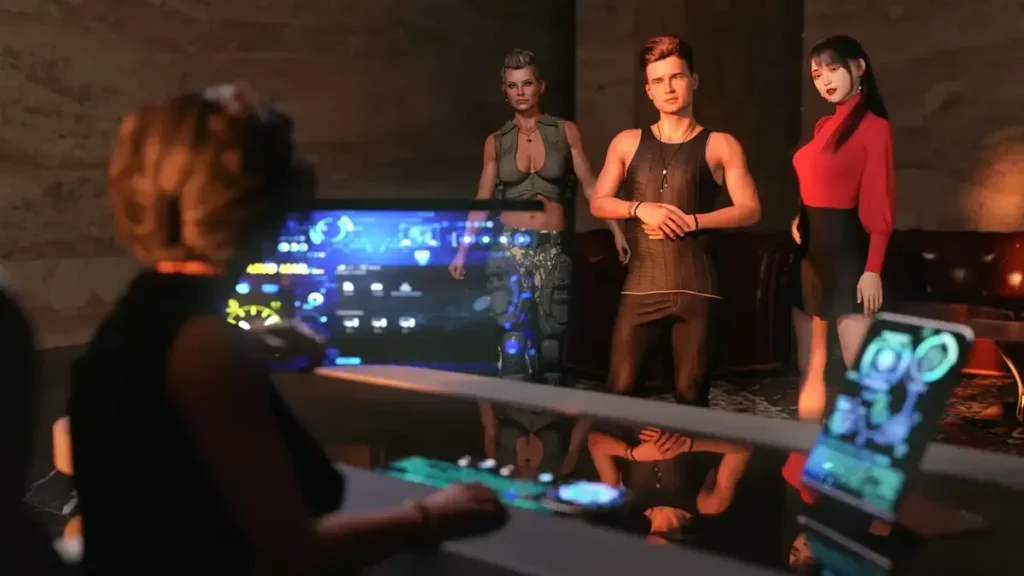
The time travel narrative in How to Fix the Future is less about flashy DeLoreans and more about cause, effect, and communication. You are the “fixer” in the present, taking directions (and sometimes arguments) from agents in a future that is actively crumbling. They can’t physically come back; instead, they send data, missions, and warnings through their temporal messaging system, which manifests as your evolving in-game “Mission Control” app. 📱⏳
Missions are framed as “fixes”—small, precise interventions in your present designed to alter downstream events and steer the future away from catastrophe. One mission might have you subtly influence a colleague’s project, while another asks you to retrieve a seemingly mundane object from a local store. The stakes feel paradoxically low and universe-high at the same time, which is a fantastic narrative trick.
This structure directly shapes the How to Fix the Future gameplay loop. You’ll receive mission briefings that outline an objective, often with limited context. You then have to figure out how to accomplish it within your existing daily schedule. This is where the game’s brilliant dual-life system comes into play.
Your life is now a constant balancing act. To help visualize this core tension, here’s how a typical day might break down:
| Life Sector | Example Tasks | Gameplay Impact |
|---|---|---|
| Day Job & Mundane Life | Completing sales reports, attending meetings, paying rent, grocery shopping. | Manages Stress & Finance stats. Unlocks/limits certain locations and social options. Failure can lead to game over. |
| Social & Relationship Building | Chatting with coworkers, calling family, going on dates, helping friends. | Raises Affinity with key characters. Unlocks new dialogue branches, story secrets, and potential mission assistance. |
| Secret Future Agent Missions | Investigating locations, planting devices, having encrypted chats, making fateful choices. | Advances the main **time travel narrative**. Alters future timeline reports. Unlocks new gameplay areas and story paths. |
🔥 Personal Insight: I learned this balance the hard way. In one early playthrough, I was so obsessed with completing every mission perfectly that I neglected my job and my friend Maya. By the second week, I was fired and she stopped returning my calls. Several mission paths that required her help or office access were permanently locked off. The game doesn’t pause one life for the other—they are inextricably linked, which is the essence of this character-driven adventure game.
How Story Choices Shape Your Playthrough
This is where How to Fix the Future truly shines and separates itself from simpler narratives. The story choice system is not about picking obvious “good” or “evil” options. It’s a nuanced web of personality, circumstance, and branching storyline decisions that begin influencing the plot from the very first dialogue box. 🕸️
Every choice, no matter how small, feeds into one of several hidden meters or relationship values. Are you sarcastic or sincere? Do you prioritize your mission over a friend’s crisis? Do you trust the future agents blindly or question their motives? The game remembers everything. Early in version v0.3.2, choices were impactful but their long-term effects could be opaque. The refinements in v0.4 have made the cause-and-effect relationships clearer through improved UI and feedback, without spoiling the surprises.
The philosophy is cascading consequences. A throwaway comment in Chapter 1 can open up—or slam shut—an entire story branch in Chapter 5. This isn’t an exaggeration; it’s the core design. Your playthrough becomes a unique fingerprint based on your priorities and personality.
🚀 Pro Tip: There is no “perfect” playthrough. Embrace your natural reactions. The most rewarding experiences come from seeing how your specific choices, not a guide’s optimal picks, weave a story that feels personally yours.
Let’s look at a concrete example of these branching storyline decisions in action, directly from the game. Imagine it’s Day 3, and you’re hit with a triple-whammy:
- Your boss demands you stay late to fix a report he messed up.
- Your future handler needs you to digitally assist a hacker team right now.
- Your phone reminder pings: it’s your mother’s birthday.
You can only fully address one. The other two will receive a compromised or neglected response. Here’s how that single choice can ripple outward:
Scenario: Choosing to help your boss.
* Immediate: Boss’s trust increases. Work stress decreases slightly.
* Short-term: The hacker mission is only partially successful, leading to incomplete intel.
* Long-term Cascade (Weeks Later): Because the intel was fuzzy, a future mission involving identifying a mole has a 50/50 chance of success. You might accuse the wrong person, turning a potential ally into an enemy. Your mother, feeling neglected, might not invite you to a family dinner where a crucial story clue about your past is casually revealed.
Scenario: Choosing the hacker mission.
* Immediate: Future agents are impressed. You get full, clear intel.
* Short-term: Your boss is furious. Your job performance rating drops. You send your mom a quick, generic text.
* Long-term Cascade: With the clear intel, you later identify the mole perfectly, gaining a powerful ally. However, your shaky job status means you can’t access the corporate server room for a later mission, forcing you to find a riskier, alternative route. Your mom’s subplot might progress, but with a tinge of distance.
Scenario: Choosing to call your mom.
* Immediate: Strong relationship boost with family. Personal happiness stat up.
* Short-term: Boss is livid, job jeopardy increases. Mission failure penalty from the future.
* Long-term Cascade: In a late-game crisis, your family connection might provide unexpected shelter or information. However, your strained reputation at work closes off corporate-story avenues, and the future agents start treating you as less reliable, offering you fewer choices in mission planning.
See how that works? 🤯 One decision doesn’t just change a line of dialogue; it reroutes the narrative railway. This is the story choice system operating at its peak. It makes every playthrough legitimate and compelling. My “devoted son” playthrough felt like a heartfelt drama about preserving family amidst chaos, while my “ruthless asset” run was a tense thriller of paranoia and sacrifice. Both were valid, complete, and utterly different experiences guided by the same core sci-fi visual novel mechanics.
Mastering How to Fix the Future gameplay means understanding that you are not just following a story, but authoring it with every interaction. From the moment you pick up that mysterious disk, you are weaving your own unique thread into the game’s rich time travel narrative. By balancing your dual lives and embracing the weight of your branching storyline decisions, you’ll discover that the true adventure isn’t just about fixing the future—it’s about discovering who you become in the process. For more specific help navigating these pivotal moments, keep an eye out for our deeper How to Fix the Future walkthrough sections focused on character relationships and major plot junctions. 🎮✨
How to Fix the Future delivers a compelling sci-fi adventure that successfully balances narrative depth with meaningful player agency. The game’s strength lies in its intricate character relationship systems, where every choice carries weight and consequences ripple throughout your playthrough. From the dual-life mechanics that create engaging daily challenges to the dynamic NPC behaviors that remember your actions, the game rewards thoughtful decision-making and strategic relationship building. The exceptional 3DCG presentation and attention to visual detail enhance the immersive experience, while the customizable preferences system allows you to tailor the adventure to your preferences. Whether you’re experiencing your first playthrough or exploring alternative story paths, understanding the core mechanics and relationship dynamics will significantly enhance your enjoyment. Dive into this ambitious sci-fi narrative and discover how your choices shape the fate of the world.