Mist
Play Mist
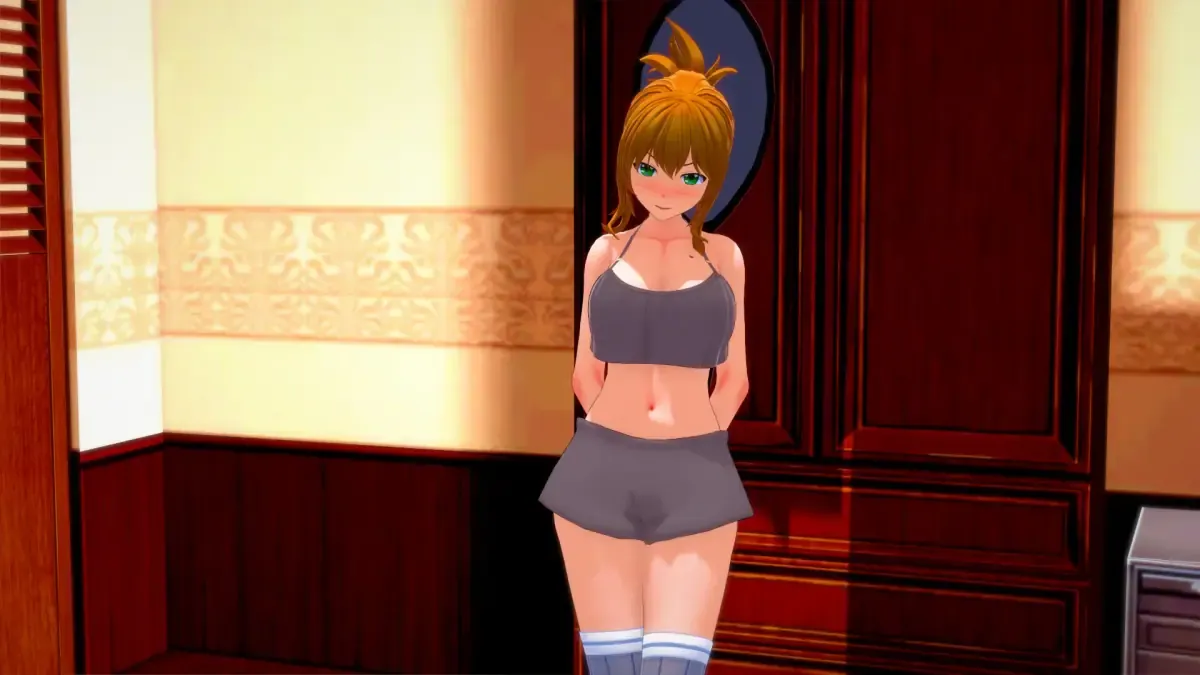
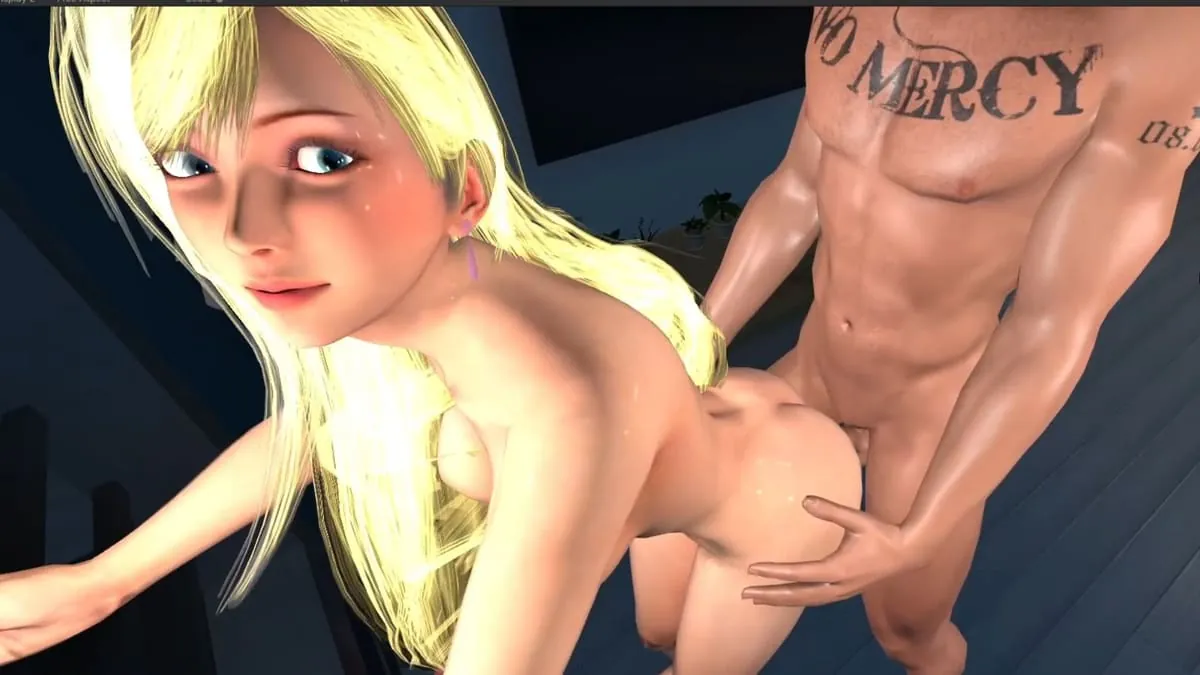
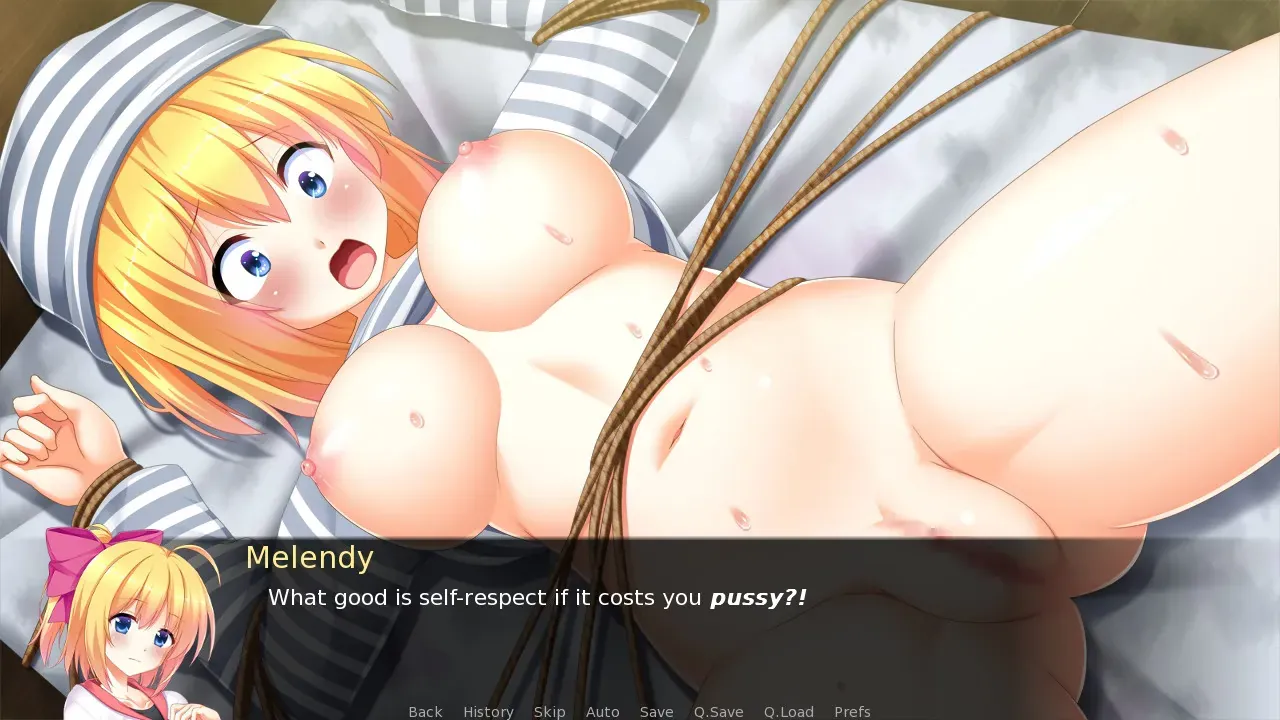
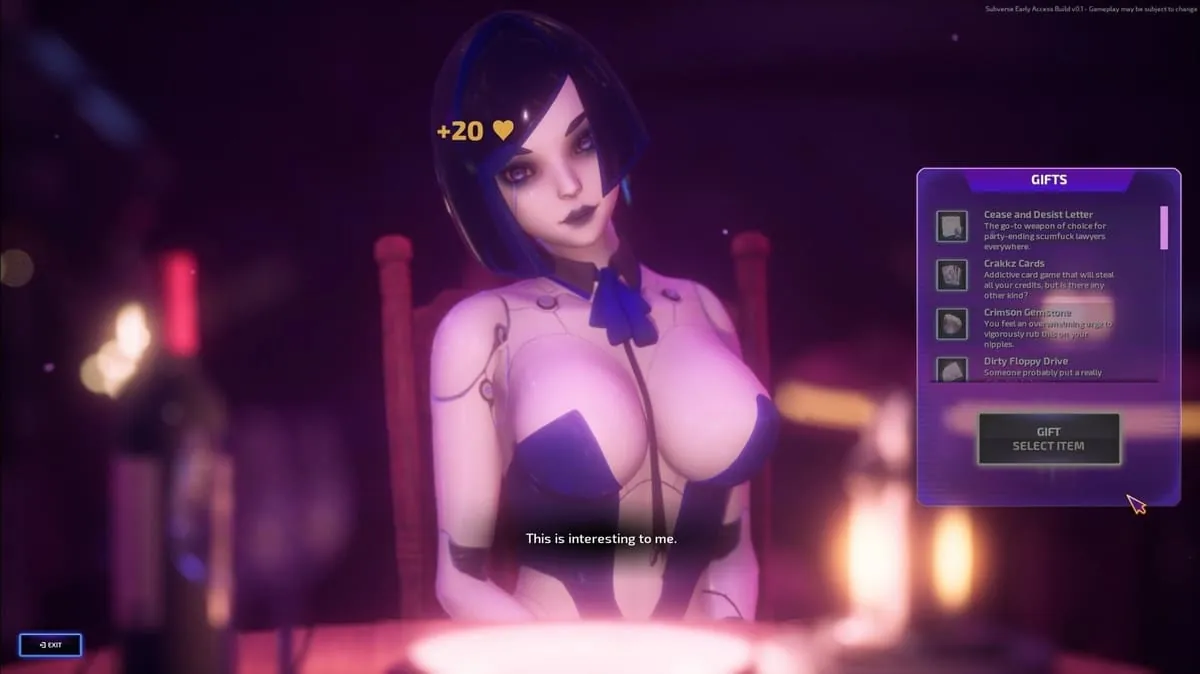
Mist Screenshots









Mist review
Explore gameplay mechanics, storyline, and community insights for this unique narrative experience
Mist stands out as a distinctive narrative-driven experience that combines interactive storytelling with mature themes. This guide explores everything you need to know about the game, from its core mechanics and gameplay features to community reception and what makes it unique in its genre. Whether you’re new to the game or looking to deepen your understanding, this comprehensive overview covers the essential aspects that define the Mist experience and help you navigate its world effectively.
Understanding Mist: Gameplay Mechanics and Core Features
Ever felt like your choices in a game don’t really matter? You pick the “nice” dialogue option, but the story chugs along the same predetermined track, leaving you wondering why they even bothered to ask. I’ve been there, and it’s why I was so intrigued when I first booted up Mist. This isn’t your typical click-through adventure; it’s a deep, responsive world that remembers every decision you make, no matter how small. If you’re looking for a passive experience, look elsewhere. But if you crave a story that truly bends to your will, you’re in for a treat. Let’s peel back the layers of this unique narrative experience and explore the Mist game mechanics that make it all possible. 🕵️♂️✨
What Makes Mist Different: Core Gameplay Elements
At its heart, Mist is a masterclass in interactive storytelling gameplay. Forget complex control schemes or punishing skill checks. Here, your primary tools are observation, empathy, and decision-making. The core loop is elegantly simple yet profoundly deep: explore your environment, converse with characters, and make choices that will echo throughout your entire playthrough.
So, what are the key Mist game features that set it apart? Let’s break it down:
- The Focus on Dialogue & Internal Monologue: Most of your interaction happens through text. This isn’t just reading; it’s active participation. You’ll navigate conversations with a diverse cast, each with their own personalities, secrets, and agendas. Your choices in these talks are the primary drivers of the plot.
- Environmental Interaction as Narrative: Clicking on objects in the beautifully rendered scenes isn’t just for collecting items. It’s how you piece together the story’s lore, understand character motivations, and uncover hidden truths. Examining a faded photograph or a dusty journal entry can unlock new dialogue options and drastically alter your perspective.
- The “Relationship Meter” You Never See: Unlike games with obvious reputation bars, Mist tracks your relationships organically. Characters will remember your kindness, your suspicion, or your cruelty. A throwaway comment in Chapter 2 might come back to define your alliance—or rivalry—in Chapter 6. This invisible web of connections is a cornerstone of its Mist game mechanics.
- Pacing and Tension Through UI: The game brilliantly uses its interface to build mood. Text sometimes appears slowly, forcing you to sit with a character’s painful confession. Timed dialogue choices in intense situations will make your heart race, as you have mere seconds to decide the fate of a relationship.
From my own playthrough, I remember carelessly dismissing a side character’s request for help early on, thinking it was irrelevant. Hours later, when I was desperately in need of an ally, that same character coldly turned their back on me. The game didn’t flash a “Karma -10” message; it just played out the natural, heartbreaking consequence of my earlier selfishness. That moment cemented Mist as a truly special choice-driven narrative game for me.
Narrative Structure and Player Choice Systems
This is where Mist truly shines. The game’s narrative branching system is less of a simple “fork in the road” and more of a sprawling, interconnected web. Your choices don’t just lead to different endings; they reshape the journey itself, determining which scenes you witness, which characters survive or thrive, and which mysteries you’re even allowed to solve.
Think of the story not as a single path, but as a growing tree. An early decision might prune away entire branches of the plot, while nurturing others you didn’t even know existed. This creates an incredible incentive for replay. My first playthrough was a cautious, trusting route. The second time, I played as a paranoid manipulator, and I was stunned to find entirely new locations and character subplots that were completely absent before. It felt like a different story using the same setting.
Pro Tip: Don’t “save scum” on your first run! The magic of Mist is living with your decisions and seeing the unique story they create. Treat your first playthrough as your “canon” experience. The regret, the surprise, the unintended consequences—that’s all part of the authentic narrative.
The interactive storytelling gameplay is empowered by a few key systems:
- The Butterfly Effect in Code: Seemingly minor choices are logged in the game’s memory. Did you comfort a grieving person or tell them to toughen up? Did you steal a crucial piece of evidence or share it? These flags are continuously referenced, often in ways you won’t expect.
- Character-Specific Plot Triggers: Your relationship with each main character is independent. You might be a hero in one character’s eyes while being a villain in another’s. This means you can experience wildly different mid-game scenarios based on who trusts you at a pivotal moment.
- Endings That Feel Earned: There are multiple endings, but they aren’t simply labeled “Good, Bad, and Secret.” Each conclusion is a direct, logical culmination of the specific values you’ve exhibited and the alliances you’ve forged throughout the game. You won’t get a “good” ending by making three correct choices at the end; you build it, chapter by chapter, conversation by conversation.
How to play Mist game successfully, then, is less about finding a “winning” strategy and more about role-playing consistently. Decide who your character is at the start: Are they empathetic? Cynical? Ambitious? Then make choices that align with that persona, and embrace the story that unfolds. It’s a deeply personal experience.
Technical Requirements and Platform Availability
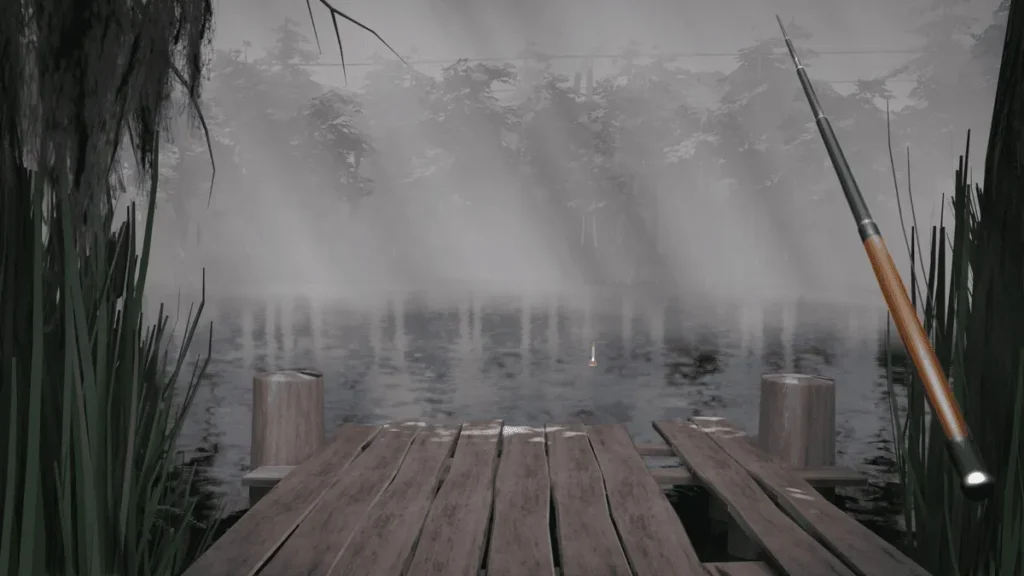
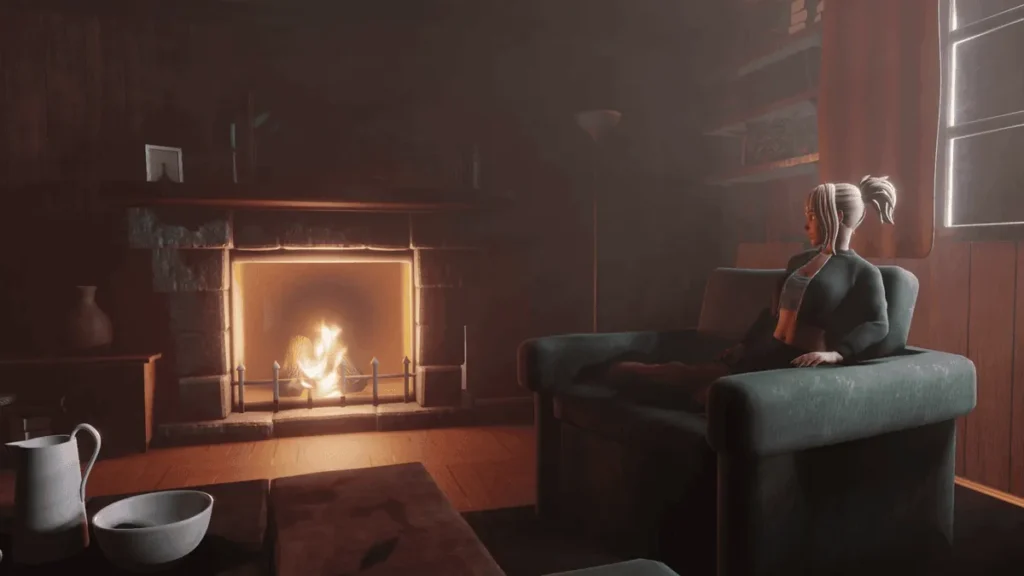
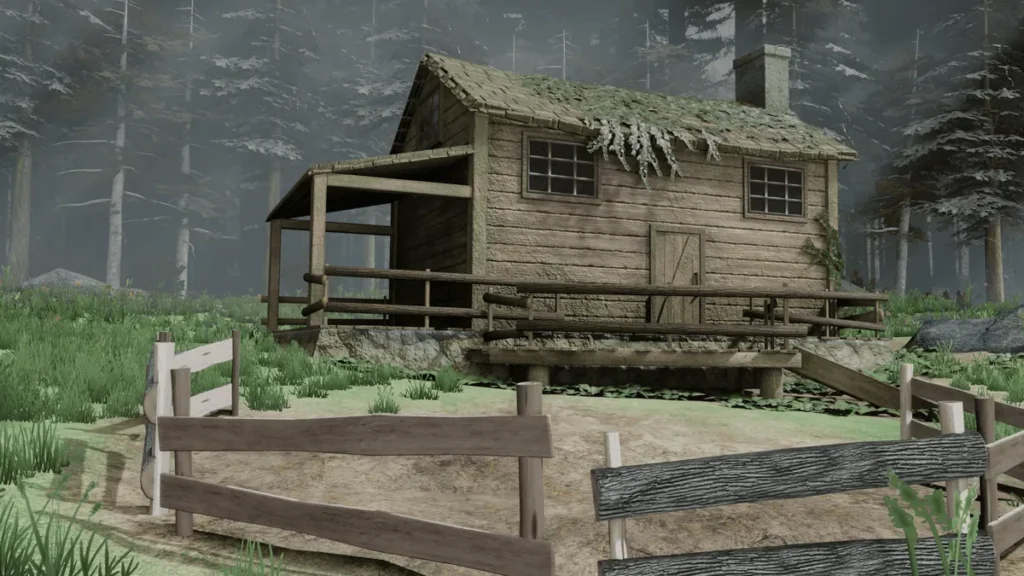
Thankfully, the profound narrative experience of Mist is packaged in a game that is remarkably accessible from a technical standpoint. Its visual presentation is a gorgeous blend of hand-painted backgrounds and detailed character portraits, which means it doesn’t require a cutting-edge gaming rig to look stunning and run smoothly. 🖥️🎨
One of the most common questions from the community revolves around Mist game platform requirements. Here’s the full breakdown:
The game is primarily available on PC, which is the ideal platform to experience it. You can find it on major digital stores. However, it’s important to note that console ports are not currently available, so PlayStation, Xbox, and Nintendo Switch players would need to look to their PC or laptop to dive into this story.
System Requirements:
To help you get started, here are the official and recommended specifications:
| Component | Minimum Requirements | Recommended Specifications |
|---|---|---|
| Operating System | Windows 7 (64-bit) | Windows 10 (64-bit) |
| Processor (CPU) | Intel Core i3 or equivalent | Intel Core i5 or equivalent |
| Memory (RAM) | 4 GB | 8 GB |
| Graphics (GPU) | Integrated graphics (OpenGL 3.0 support) | Dedicated GPU with 1GB VRAM |
| Storage | 5 GB available space | 5 GB available space (SSD recommended) |
As you can see, the barriers to entry are very low. Even a modest modern laptop should handle Mist without issue. The game is also praised for its accessibility features, including fully customizable text size and color contrast options, making its rich text-based narrative available to a wider audience. ⌨️👁️
In terms of commitment, a single playthrough of Mist can take anywhere from 6 to 10 hours, depending on your reading speed and how thoroughly you explore. But the real value lies in its replayability. To see all the major narrative branches and endings, you’re easily looking at 30+ hours of content, as each playthrough can feel genuinely distinct.
Frequently Asked Questions About Gameplay & Choices
Q: I’m worried about missing content. How do I know if I’m making the “right” choice?
A: That’s the beauty of it—there is no universal “right” choice. Every decision closes some doors and opens others. The game is designed to be replayed, so your first run should be about curiosity and instinct. Don’t worry about a checklist; focus on the story you’re creating.
Q: How impactful are the choices, really? Do they actually change major plot points?
A: Absolutely. Choices can determine who lives or dies, which romantic subplots become available, which factions you align with, and which ultimate mystery you solve. The narrative branching system ensures that by the mid-point, two different players can be experiencing dramatically different story events.
Q: Is there a way to track my relationships or story flags?
A: Mist deliberately keeps this information hidden to preserve immersion. You won’t find a stats screen. You have to gauge your relationships through character dialogue, their tone, and the opportunities they offer you. It makes every interaction feel more real and consequential.
Q: What’s the best way to experience all the story paths?
A: Use the multiple save slots! Create a new save at the start of each chapter. When you finish the game, you can go back to key junctions and make opposite choices. Also, try playing with a completely different personality each time—be a saint in one run and a self-serving pragmatist in the next.
Q: I’m not a big reader. Is there voiced dialogue?
A: The game is primarily text-based, with atmospheric sound effects and a phenomenal musical score setting the mood. There is no full voice acting, which allows for a much greater volume of nuanced dialogue and internal monologue, key to its interactive storytelling gameplay.
Ultimately, understanding Mist game mechanics is about understanding that you are not just a passenger in this story—you are its co-author. Every click, every conversation, every silent moment of observation is a brushstroke on a canvas that is uniquely yours. It’s a game that trusts its players with profound agency and rewards that trust with one of the most personalized and memorable narrative experiences you can have. So, take a deep breath, step into the unknown, and see what story you will tell.
Mist offers a compelling interactive narrative experience that prioritizes player choice and character development. The game’s strength lies in its branching storyline, well-developed characters, and the meaningful impact of player decisions on the overall narrative. Whether you’re drawn to choice-driven games, character-focused storytelling, or exploring multiple narrative paths, Mist delivers a unique experience that rewards both careful decision-making and multiple playthroughs. The active community continues to engage with the game’s themes and share their diverse story outcomes, creating a rich ecosystem of player experiences. If you’re considering diving into Mist, approach it with an open mind, take time to explore different choices, and engage with the community to discover new perspectives on the game’s narrative possibilities.