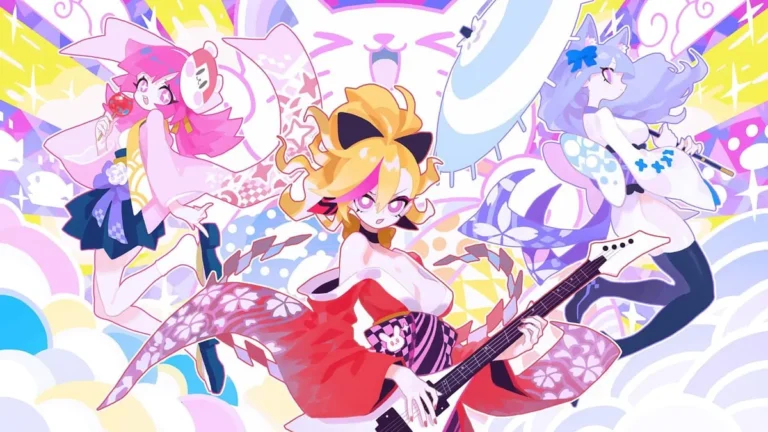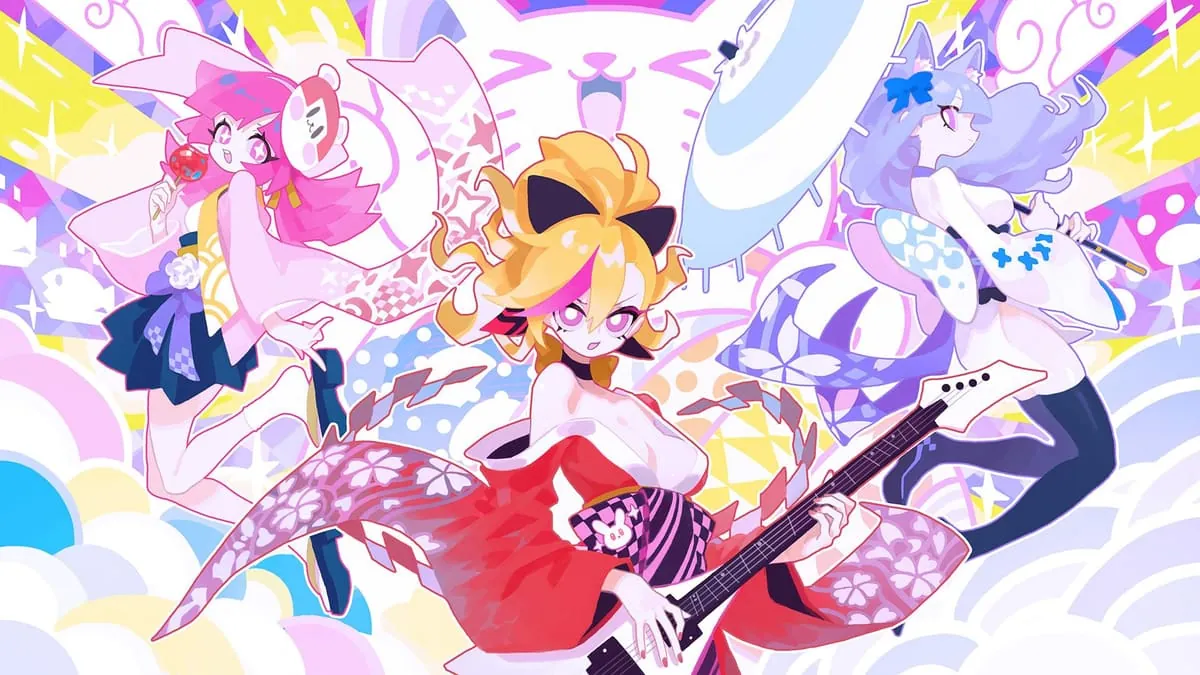
Muse Dash Screenshots
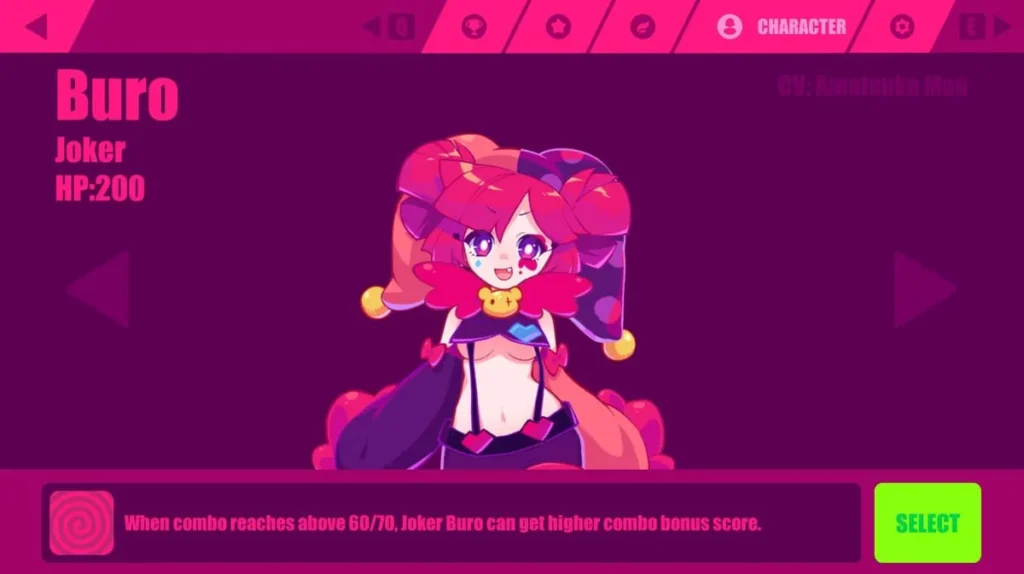
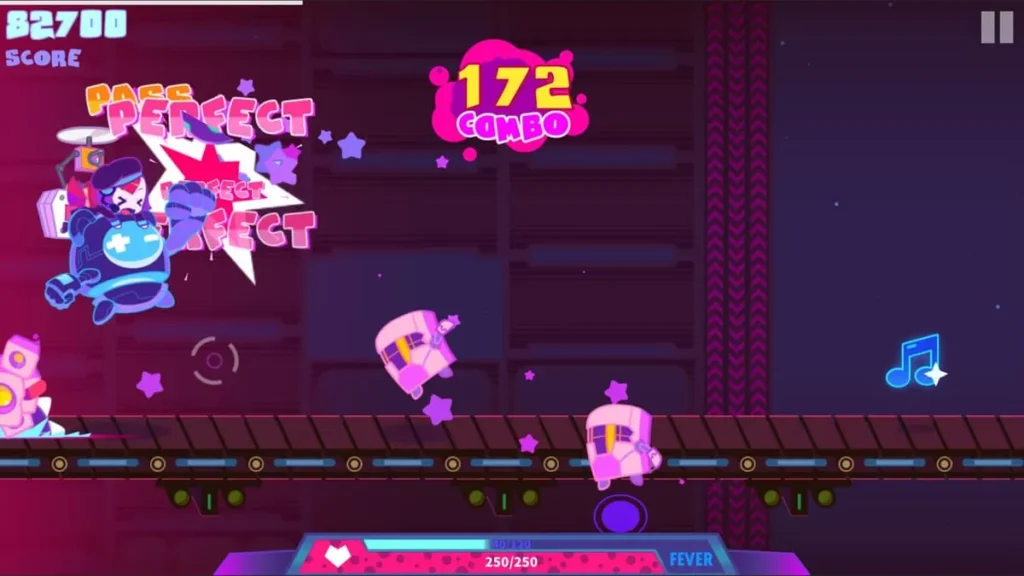
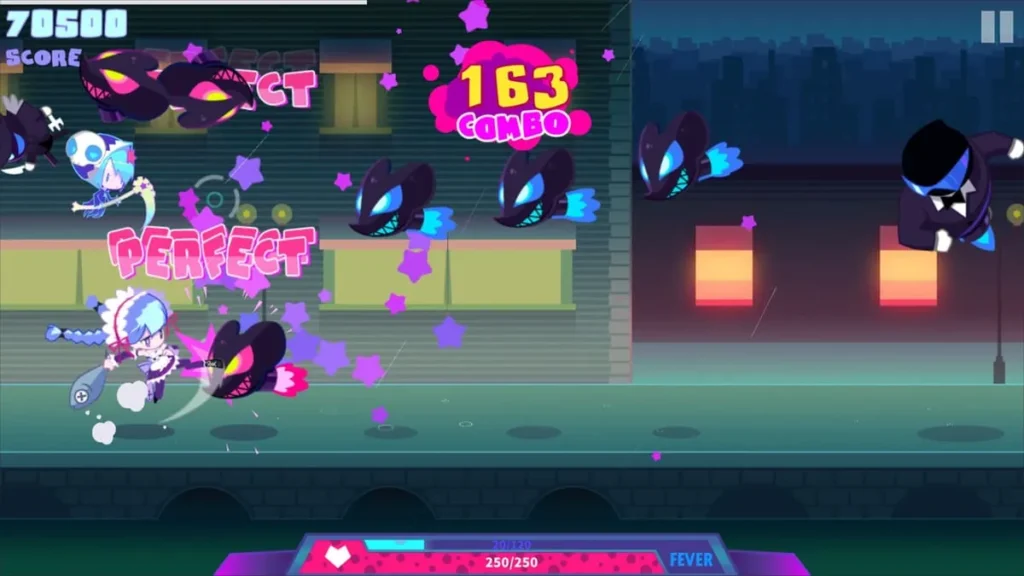
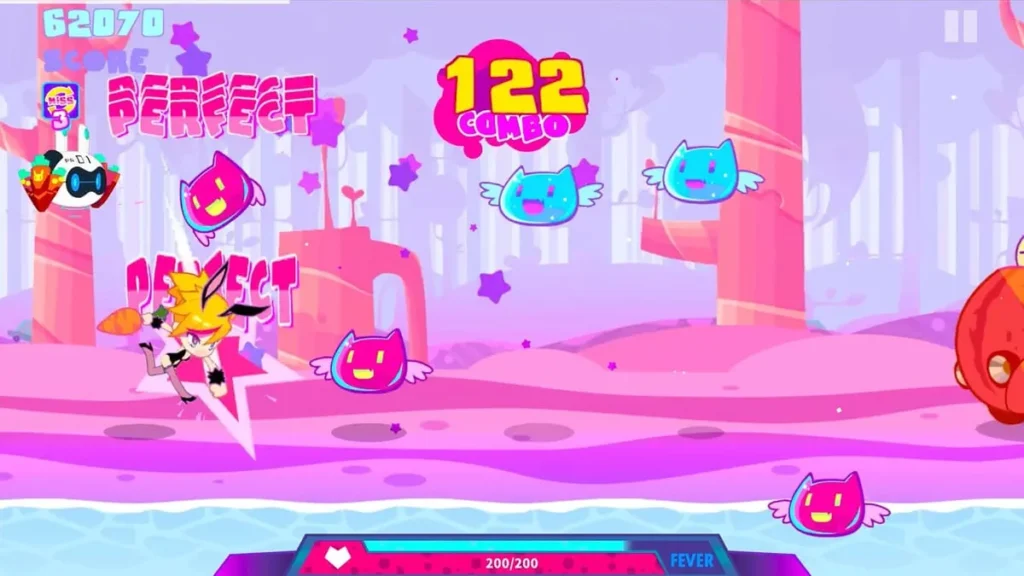
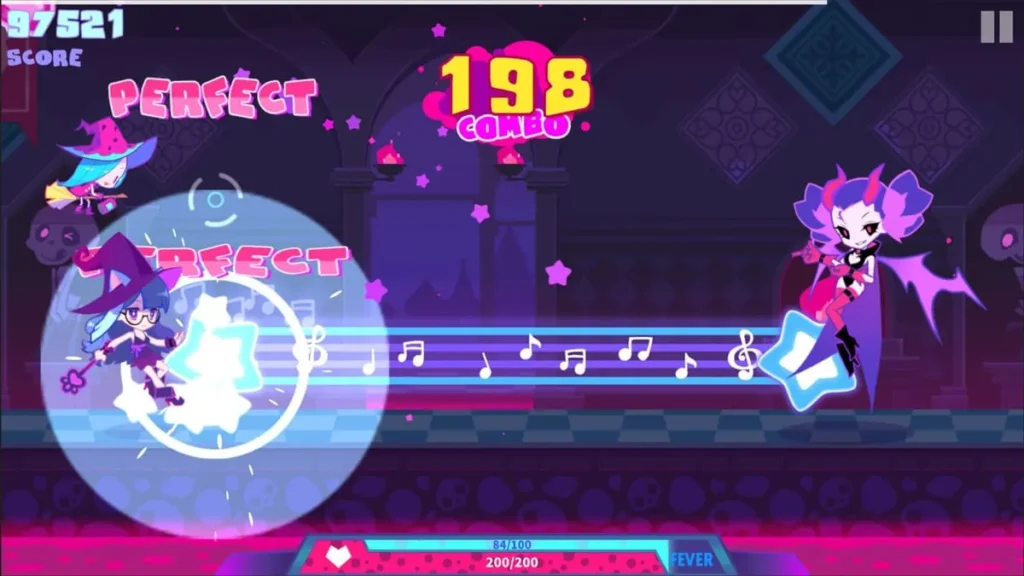
Muse Dash review
Master the rhythm action game with our in-depth walkthrough of controls, difficulty levels, and progression systems
Muse Dash stands out as a unique rhythm action game that blends traditional music game mechanics with side-scrolling beat-em-up elements. Developed by PeroPeroGames, this anime-themed title challenges players to defeat enemies and dodge obstacles while staying in sync with upbeat music tracks. Whether you’re a rhythm game veteran or a newcomer looking for an accessible yet challenging experience, Muse Dash offers an engaging gameplay loop with simple two-button controls that hide surprising depth. With multiple difficulty modes, diverse character abilities, and a constantly expanding music library, the game provides hours of entertainment for players of all skill levels.
Understanding Muse Dash Core Gameplay Mechanics
Ever picked up a rhythm game and felt instantly overwhelmed? 🎮 I remember loading up some of the more “hardcore” titles, my fingers hovering nervously over a sprawling keyboard chart or a complicated controller layout. It felt less like playing a game and more like preparing for a flight simulator. That intimidation factor is real, and it’s what makes Muse Dash such a brilliant breath of fresh air. This guide is here to strip away any confusion and show you that at its heart, mastering the Muse Dash gameplay guide principles is about joy, not frustration. 🎉
The genius of this title lies in its deceptive simplicity. What appears to be a cute, side-scrolling runner hides a incredibly deep and satisfying test of your rhythmic precision. The core loop is instantly graspable: your character automatically dashes forward through vibrant, music-driven stages, and you have one job—hit the notes, which are cleverly disguised as enemies and obstacles. The real magic, and the key to your high scores, is understanding how its streamlined systems work in harmony. Let’s dive into the essential rhythm game mechanics that make Muse Dash so uniquely addictive.
How the Two-Button Control System Works
Let’s start with the beautiful, beautiful simplicity of the Muse Dash controls. Forget complex sequences or chord charts. Everything you need to conquer over 40 stages fits into two actions. That’s it. Just two. 🎯
On screen, you control a character who is perpetually running to the right. Notes fly at you in two primary lanes: the ground lane and the sky lane. Your tools are as follows:
* One button/input handles the ground lane. This is typically your ‘down’ key, ‘S’ on keyboard, or a corresponding button on a controller or touchscreen. This action makes your character attack straight ahead, defeating any ground-level enemy or hitting a ground note.
* The other button/input handles the sky lane. This is your ‘up’ key, ‘W’ on keyboard, or the other button. This command makes your character jump and perform an aerial attack, taking out flying enemies and sky notes.
This elegant two button control system is the entire foundation. See an enemy on the ground? Tap the ground button. See a note in the air? Tap the jump button. The challenge isn’t in memorizing inputs, but in the speed, rhythm, and density of the incoming patterns. You’ll quickly find your fingers settling into a natural, almost drum-like rhythm as you alternate or double-tap to the music.
Pro Tip from a Rhythm Game Vet: When I first started, I kept my fingers too stiff. The trick is to stay loose and let the music guide your taps. Think of it as tapping your foot to a beat, not pressing precise buttons. This mindset shift alone can drastically improve your accuracy! 🥁
The system brilliantly translates across PC, Switch, and mobile. On PC, the keyboard feels crisp. On Switch, the buttons are responsive. And on mobile, the touch screen turns your thumbs into the perfect instruments. This universal accessibility is a huge part of why the Muse Dash gameplay guide can be so straightforward—the core skill is transferable no matter your platform.
Enemy Types and Obstacle Navigation
Now, if every enemy was just a simple ground or air critter, things would get boring fast. The devil—and the delight—is in the variety. Mastering the different enemy types Muse Dash throws at you is what separates a casual player from a high-score chaser. Each type corresponds to a specific note in the music and requires a precise response.
Here’s a breakdown of the common adversaries you’ll meet on your dash:
- The Standard Ground & Air Enemies: These are your bread and butter. They approach in their respective lanes and require a single, well-timed press of the corresponding button. They form the basic rhythm of any track.
- The Spiked/Saw Enemies (Require Jumping Over): 😬 These are the bright, often circular saw blades or spiked balls that travel along the ground. You cannot attack them. Instead, you must press your sky/jump button to leap over them. Mistaking them for a standard ground enemy is a classic, health-depleting rookie mistake!
- The Mid-Range/Simultaneous Press Enemies: These enemies, often ghosts or other eerie figures, appear in the middle of the screen, between the two lanes. To defeat them, you must press both your ground and sky buttons at exactly the same time. This creates a satisfying, powerful dual attack. Getting the timing right on these is crucial for maintaining your combo.
- The Boss Enemies: 🐉 At the end of many stages, you’ll face a screen-filling boss. These encounters are a spectacular test of everything you’ve learned. Bosses will cycle through complex patterns that mix all standard enemy types rapidly, often in sync with the song’s climax. They’re less about a new mechanic and more about a glorious, chaotic final exam.
Navigating this menagerie is the core gameplay. Your eyes learn to scan not just for where an enemy is, but what kind it is, and your fingers translate that instantly into the correct one-button or two-button response. It’s a thrilling cognitive workout that feels amazing when you get into the flow.
To help you visualize and prepare, here’s a quick-reference table:
| Enemy Visual / Name | Lane / Position | Required Player Action | Rhythm Role |
|---|---|---|---|
| Small Creature / Standard Note | Ground Lane | Single Ground Tap | Basic beat, foundation of the track. |
| Fairy / Standard Note | Sky Lane | Single Jump/Air Tap | Off-beat, melodic accent. |
| Spiked Ball / Circular Saw | Ground Lane (Obstacle) | Jump Over (Air Tap) | Syncopated rhythm, breaks the pattern. |
| Ghost / Mid-Range Spirit | Center Screen | Simultaneous Dual Press | Emphasizes a strong downbeat or chorus hit. |
Health Bar Management and Combo Systems
Alright, you know what to hit and how to hit it. But what happens when you miss? Let’s talk about survival and style—the health bar and the combo meter. This is where a good run becomes a great one. 💖
Your health bar is displayed prominently at the top of the screen. Every time you fail to hit an enemy (by missing), or you hit an obstacle you should have jumped over (like a spiked ball), you take damage. Let your health drop to zero, and your run ends prematurely—no boss fight, no score, just a sad “Game Over” screen.
But fear not! The game gives you ways to recover:
* Heart Pickups: 🍓 Throughout stages, you’ll find floating pink hearts. Collecting these restores a chunk of your health. They’re often placed in tricky positions, making them a risk-versus-reward element: do you break your focus to snag the heal, or stay perfectly in your lane to keep your combo?
* Perfect Play: The best way to manage health is to not lose it at all. This leads us to the most critical system for high scores: the combo system rhythm games are built on.
Your combo counter increases with every successfully hit enemy and resets to zero whenever you miss one. This is more than just a vanity number. Your combo is directly tied to your score multiplier. A higher combo means each subsequent note you hit is worth more points. This system incentivizes perfection and pushes you to learn patterns inside and out.
Now, for the pièce de résistance: Fever Mode activation. 🌟
Your combo builds a separate meter—the Fever Meter—located near your health. Once this meter is full (by maintaining a long, unbroken combo), you activate Fever Mode! This state is pure audio-visual ecstasy:
* The stage visuals become more intense and vibrant.
* Your score multiplier gets a massive bonus.
* All notes, including tricky simultaneous-press enemies, temporarily turn into standard single-press notes, giving you a brief, glorious respite to rack up a huge score or recover your focus.
Managing your health to keep your combo alive, specifically to trigger Fever Mode at the most opportune moments (like during a dense section or a boss fight), is the strategic pinnacle of the Muse Dash gameplay guide.
Let’s walk through how this all comes together in a single stage:
Example: Conquering “Brain Power” on Hard Difficulty.
1. The Start: The song begins with a steady stream of ground and air enemies. I settle into a basic rhythm, tapping in time with the synth. My combo starts building, and the Fever Meter begins to glow.
2. The Build-Up: The pace quickens. Spiked balls roll into the mix—I switch to jumping over them without breaking my ground-attack rhythm. A few ghosts appear; I nail the simultaneous presses. My health is full, my combo is over 200.
3. The Climax & Fever! 🎉 As the iconic drop hits, my Fever Meter fills. I activate Fever Mode! The screen explodes with color, my score rockets upward, and for a few seconds, I only have to worry about single taps, allowing me to absolutely crush the densest part of the track.
4. The Boss: The Neko boss appears. Fever Mode ends, and the real test begins. The boss fires complex, mixed patterns. I use the score buffer I built during Fever to stay aggressive, focusing on staying alive and keeping my combo as high as possible through the final barrage.
This seamless integration of simple Muse Dash controls with layered rhythm game mechanics—enemy variety, health management, combo scoring, and strategic Fever Mode activation—creates an endlessly replayable loop. You’re not just reacting; you’re conducting, planning, and performing. Each of the 40+ stages becomes a new puzzle to solve and a new song to master, proving that true depth doesn’t require a complicated manual, just a perfect beat. Now get out there and start your dash
Muse Dash successfully merges rhythm game mechanics with action-packed gameplay, creating an experience that appeals to both casual players and rhythm game enthusiasts. The simple two-button control scheme masks the complexity and challenge that awaits players as they progress through difficulty levels, unlock new characters with unique abilities, and tackle an ever-expanding music library. Whether you’re drawn to the vibrant anime aesthetic, the diverse music selection spanning J-pop to dubstep, or the satisfying progression system that rewards consistent play, Muse Dash offers something for everyone. The game’s availability across multiple platforms ensures you can enjoy the experience wherever you prefer to play, while regular updates and new content keep the experience fresh and engaging. If you’re looking for a rhythm game that combines accessibility with depth, Muse Dash deserves a spot in your gaming collection.