Now & Then
Play Now & Then
Now & Then Screenshots

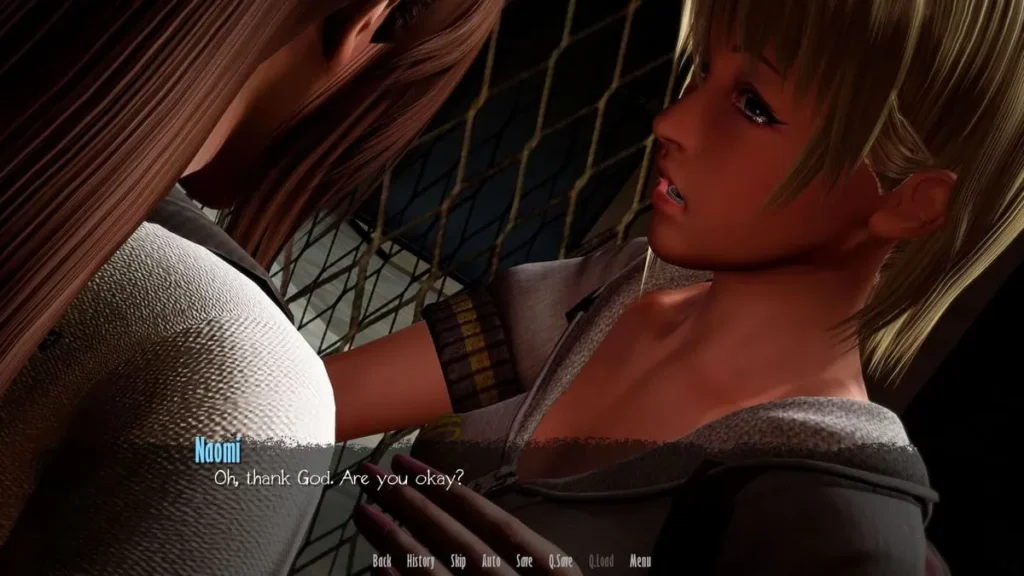
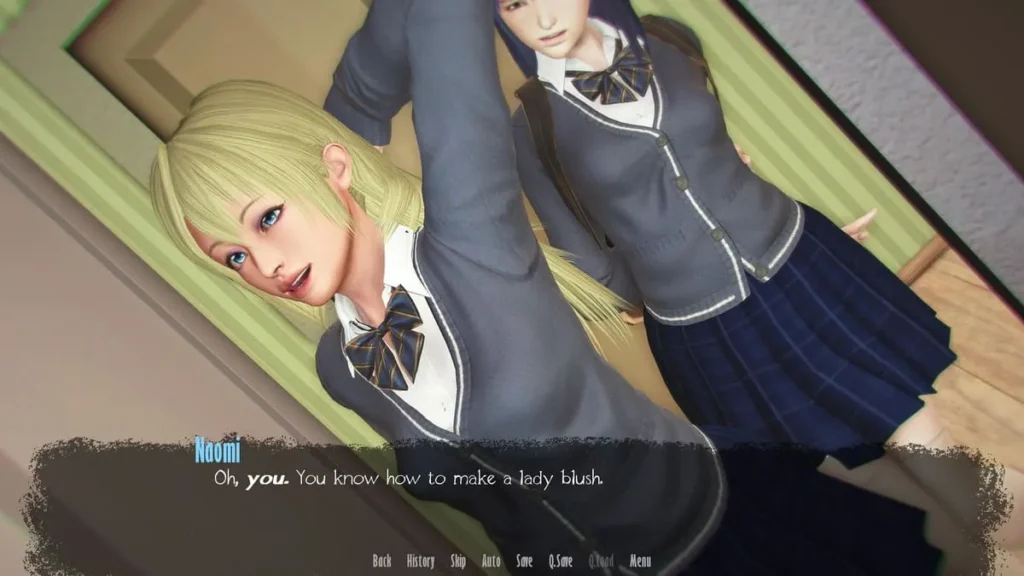
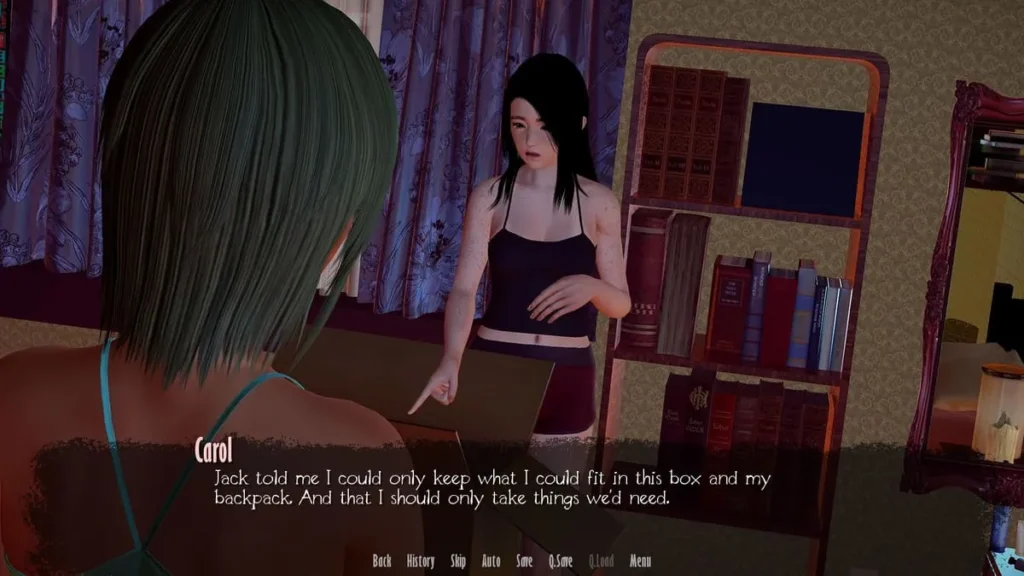
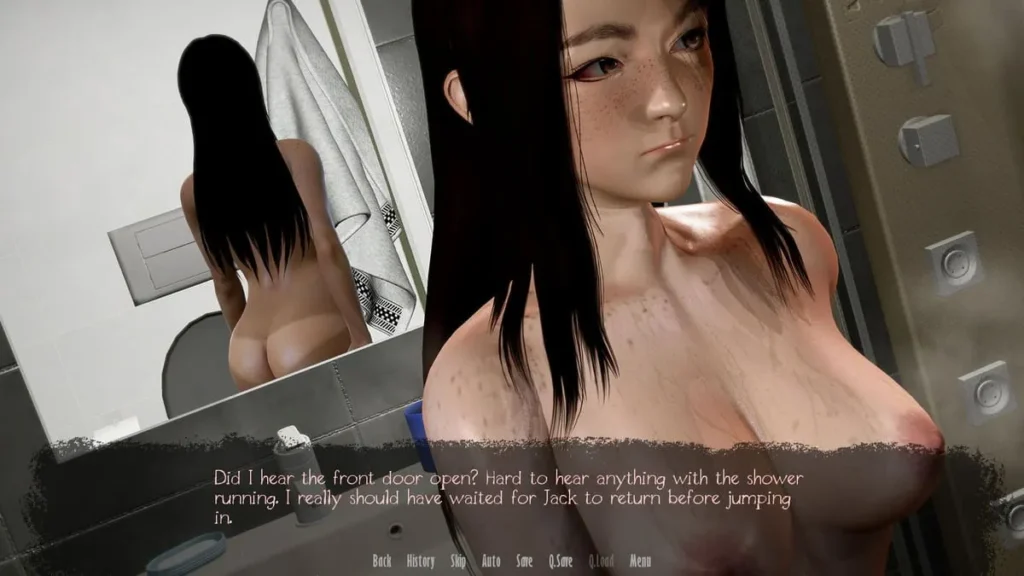
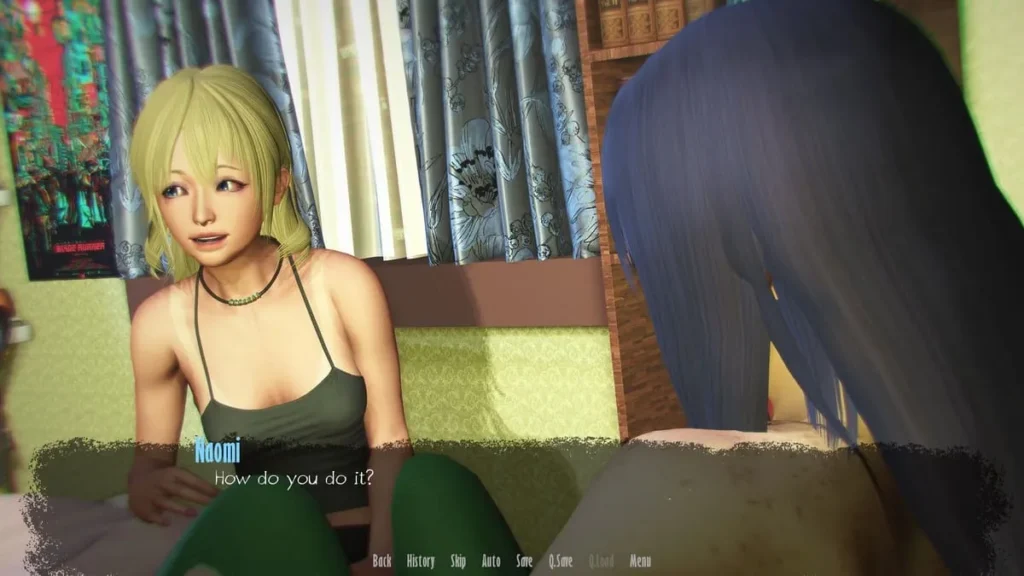
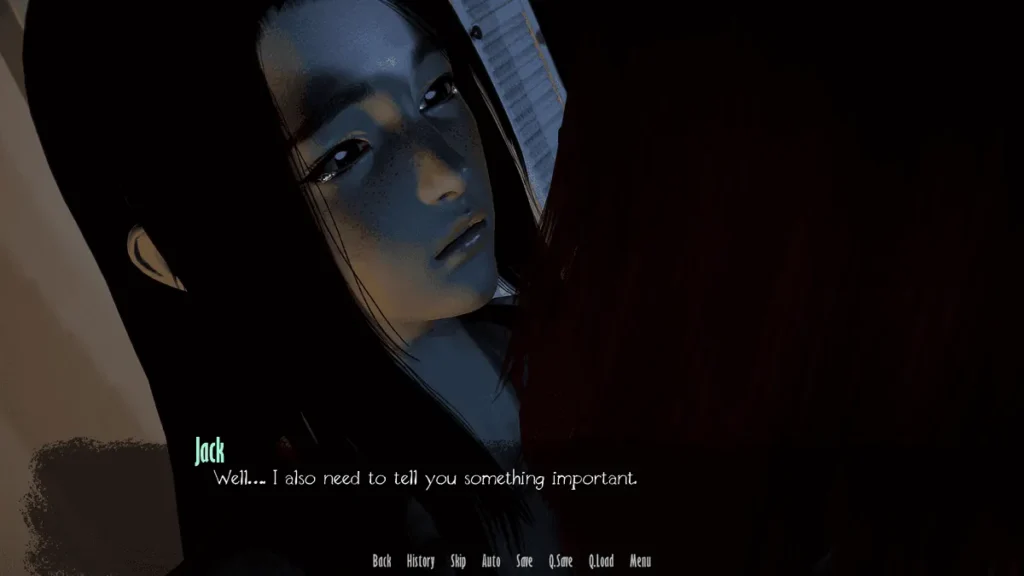



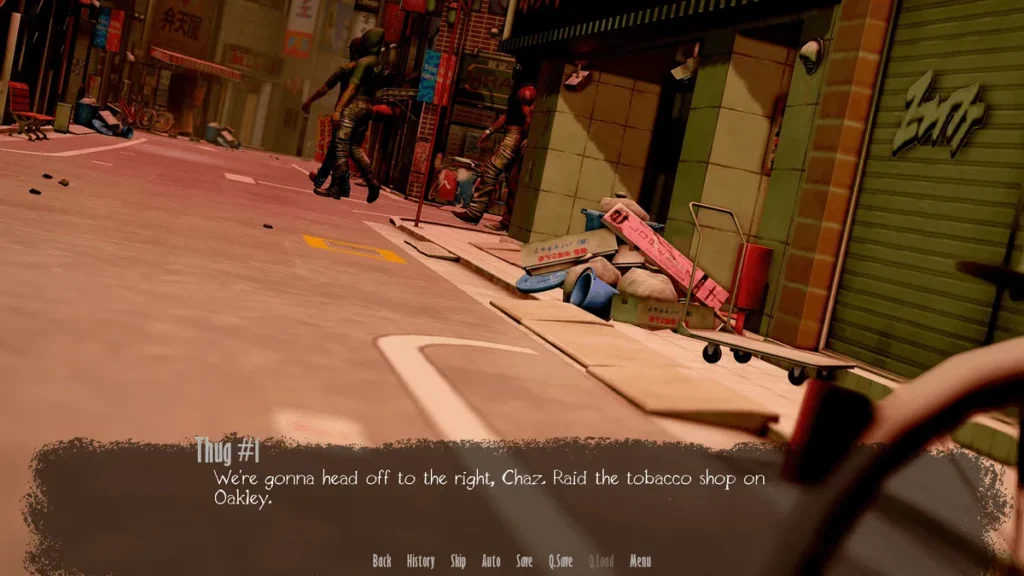
Now & Then review
A practical, player-focused walkthrough and analysis of Now & Then
Now & Then is a narrative-driven adult-oriented game that blends branching choices, relationship mechanics, and multiple endings to create a reactive experience. In this guide I walk you through the game’s core systems, major chapters, and how choices affect outcomes, drawing on my own play sessions and community-tested saves to help you get the scenes and endings you want. Whether you’re replaying to see every path or playing for the first time, this article gives clear, practical steps and examples to make your next run more satisfying.
Core Mechanics and How Choices Shape the Story
So, you’ve started playing Now & Then and you’re already sensing that every smile, every conversation, and every decision carries weight. You’re right. This isn’t a game where you can just click through; it’s a delicate web of branching choices Now & Then is famous for. I learned this the hard way on my first playthrough. I thought I was being charmingly spontaneous, only to find my favorite character giving me the cold shoulder in a crucial late-game scene. I’d missed a flag I didn’t even know existed! 😅
This chapter is your blueprint to mastering those moments. We’re going to peel back the curtain on the game’s core systems: the hidden numbers that track your relationships, the secret triggers that unlock paths, and the smart Now & Then save strategies that let you explore every possibility without pulling your hair out. Think of this as your practical, player-to-player guide to shaping the story you want to see.
Understanding relationship meters and love flags in Now & Then
At the heart of Now & Then are its Now & Then relationship meters. These are hidden, numeric values that track your standing with each major character. They aren’t just about romance; they measure overall affinity, trust, and sometimes, specific emotions like comfort or admiration. The game typically uses a few core meters: Love (for deep romantic connection), Like (for friendship and general rapport), and Attraction (for initial physical/chemical interest). Your choices directly add or subtract points from these pools.
It’s not always obvious what gives points. From my play sessions, here are some concrete examples:
- Choosing to sit with Sam during the first lunch scene gave a solid +10 to Sam’s Like meter and a subtle +5 to Attraction. Choosing to sit with Alex instead gave those points to Alex, but also triggered a -5 to Sam’s Like—they noticed and felt snubbed!
- Later, if you help Sam study for the chemistry exam (a 15-minute dialogue sequence), it’s a major +20 to Like and +10 to Love, but only if you’ve built up a baseline of friendship first. If your Like is too low, the option might not even appear!
- A seemingly innocent choice, like joking about a character’s nervous habit, can backfire. I did this with Alex and took a -15 hit to Like. The dialogue moved on, but that penalty quietly limited my options chapters later.
This is where Now & Then love flags come in. Think of meters as a quantity of relationship, and flags as specific quality or events. A flag is a binary switch (ON/OFF) that gets tripped by a specific choice or by reaching a certain meter threshold. Flags unlock special scenes, alter dialogue, and open or close major story branches.
For instance, to unlock the “Stargazing” scene with Sam in Chapter 7, you need two things:
1. Sam’s Love meter must be at least 50 (quantitative).
2. The “SharedSecret” flag must be ON, which you get only by choosing to confide in Sam during the Chapter 4 library incident (qualitative).
Here’s a quick reference table I wish I had during my first run:
| Character | Key Action (Example) | Meter Effect (Approx.) | Flag Set |
|---|---|---|---|
| Sam | Defend them in the argument with Morgan in Chapter 3 | Like +15, Love +10 | “DefendedSam” = ON |
| Alex | Accept their risky plan in Chapter 5 | Attraction +20, Like +5 | “TrustsAlex” = ON |
| Morgan | Return the lost heirloom in Chapter 2 | Like +25 | “HeirloomReturned” = ON (Critical for a later ally route) |
The game checks these flags at key moments: mid-chapter checkpoints (like after a major event), chapter endings, and, most importantly, at a few critical junction points in the final act. A flag you set in Chapter 2 can absolutely determine which of three endings you qualify for in Chapter 10. It’s a brilliantly interwoven system that rewards careful attention. 🔍
Choice timing: early actions that matter later
One of the most fascinating and sometimes brutal aspects of Now & Then is how early the branching choices Now & Then designers planted their seeds. This isn’t a game where you can mess around for 80% of the story and then make a “final choice” to get your preferred ending. The narrative path is growing and diverging from the very first chapter.
My biggest “aha!” moment came on my third replay. I was aiming for a specific reconciliation scene between Alex and Morgan in the finale. No matter what I did in the late game, it wouldn’t trigger. Finally, I started a fresh save and meticulously logged my choices. The culprit? My very first interaction with Morgan in Chapter 1. I’d chosen a teasing, slightly competitive dialogue option. It was fun and in-character for my playthrough, but it set a “RivalryTone” flag with Morgan that subtly colored every subsequent interaction. Even after I tried to be nice later, that initial flag prevented the deepest level of reconciliation. The game remembered my first impression.
Here’s a timeline of when key flags are often checked, based on my analysis:
- Chapter 1-2: Establishes base relationship tones. Early kindness or conflict sets flags that influence available dialogue options later, even if the meters themselves change.
- Chapter 3-4 (First Major Junction): The game often does a hidden “relationship audit” here. Flags for “CloseFriend,” “PotentialRomance,” or “Strained” with key characters are locked in. This determines who you can rely on for the Chapter 5 crisis.
- Chapter 6-7 (Mid-Game Checkpoint): This is a huge flag-check zone for romantic paths. To stay on a specific love interest’s route, you usually need their primary “RomancePath” flag ON by the end of Chapter 7. This is often gated behind a specific, sometimes easy-to-miss, intimate scene.
- Chapter 9-10 (Finale Branches): The game combines your accumulated meter scores and critical flags to determine which finale branches are even available. You might need both a high Love meter AND to have triggered 2-3 specific supportive flags throughout the story to unlock the most fulfilling “golden” ending for a character.
Pro Tip: If you’re aiming for a specific outcome, look up a spoiler-free flag guide for the character before you start. Knowing that a single choice in Chapter 3 is vital can save you 8 hours of replay later!
Saving, replaying, and using gallery/unlock features
Mastering the Now & Then save strategies is what separates the frustrated player from the empowered storyteller. The game’s auto-save is helpful, but it’s your enemy if you want to explore branching choices Now & Then presents. Here’s the system I’ve honed over multiple complete playthroughs.
Manual Save Strategy:
1. Create a “Master Save” at the very start of Chapter 1. Never overwrite this. It’s your clean slate for any future replay.
2. Save at the beginning of every chapter. Name it clearly, e.g., “Ch3_Start_BeforeLunch.”
3. Save BEFORE any major decision point. The game usually gives subtle cues—a change in music, a character saying “We need to decide.” That’s your cue to hit quick-save or create a new manual save.
4. Save IMMEDIATELY AFTER a major choice or scene unlock. Name it descriptively, like “Ch5_End_ChoseAlexPlan.” This lets you jump back to that exact narrative branch later.
Dealing with Persistence Issues Now & Then
Some players, myself included, have run into persistence issues Now & Then can have with save files. This usually manifests as a save file failing to load or progress not being recorded correctly between sessions. The best mitigation strategies are:
* Don’t rely solely on quick-save. Use multiple manual save slots (the game offers plenty).
* Verify your save file integrity if playing on PC through platforms like Steam (Right-click game > Properties > Installed Files > Verify Integrity).
* After a major play session, exit to the main menu before closing the game. This seems to help the game write save data properly.
Now & Then Unlock Gallery & Replay Features
Once you’ve seen an ending, the Now &Then unlock gallery becomes your best friend. Found in the Extras menu, it stores all the CGs, music, and sometimes even key cinematic scenes you’ve discovered. But how do you fill it?
This is where a structured replay approach is golden. Don’t try to see everything in one chaotic run. Instead, use your saves to test one variable at a time.
Step-by-Step Save and Replay Checklist for Branching Playthroughs
- Complete your first, “blind” playthrough. Go with your gut and see where you end up! This is your authentic story. 💫
- Load your “Master Save” or a key chapter start.
- Pick ONE major choice to change (e.g., “This time, I’ll side with Morgan instead of Sam in Chapter 3”).
- Play forward from that point, making otherwise similar choices, to see how that one change ripples through the story. Take notes in a simple text file: “Ch3: Sided with Morgan > Got unique scene ‘Park Apology’ in Ch4.”
- Use chapter-start saves to leap to another branch. Want to see Alex’s route? Load your “Ch3_Start” save and make a different set of choices focused on Alex.
- For 100% completion, consult a guide to find the most efficient path to trigger missing gallery entries. Sometimes, you only need to replay from a mid-point save to get a specific scene.
The Now & Then unlock gallery in the Director’s Cut version is especially robust, often including developer commentary or early concept art for scenes you unlock. It’s a fantastic reward for your investigative efforts.
Remember, the beauty of Now & Then isn’t in finding the one “correct” path, but in discovering the multitude of stories woven into its code. By understanding the Now & Then relationship meters, respecting the power of Now & Then love flags, and employing smart Now & Then save strategies, you move from being a passenger to the pilot of these intertwined destinies. Your patience and curiosity in managing these branching choices Now & Then offers are what will ultimately fill your Now & Then unlock gallery and, more importantly, your experience with unforgettable, personal narratives. Now go back to that pivotal moment—you know the one—and make a different choice. See what happens. The story is waiting.
Now & Then rewards careful planning, patient replaying, and attention to relationship triggers. By using strategic saves, focusing on key affinity events, and following route-specific choices you can reliably unlock most scenes and endings without wasted replays. Follow official channels for updates and back up your saves before trying community mods. If you enjoyed this guide, try the sample playthroughs provided and share your own discoveries in the game’s community threads to help other players.