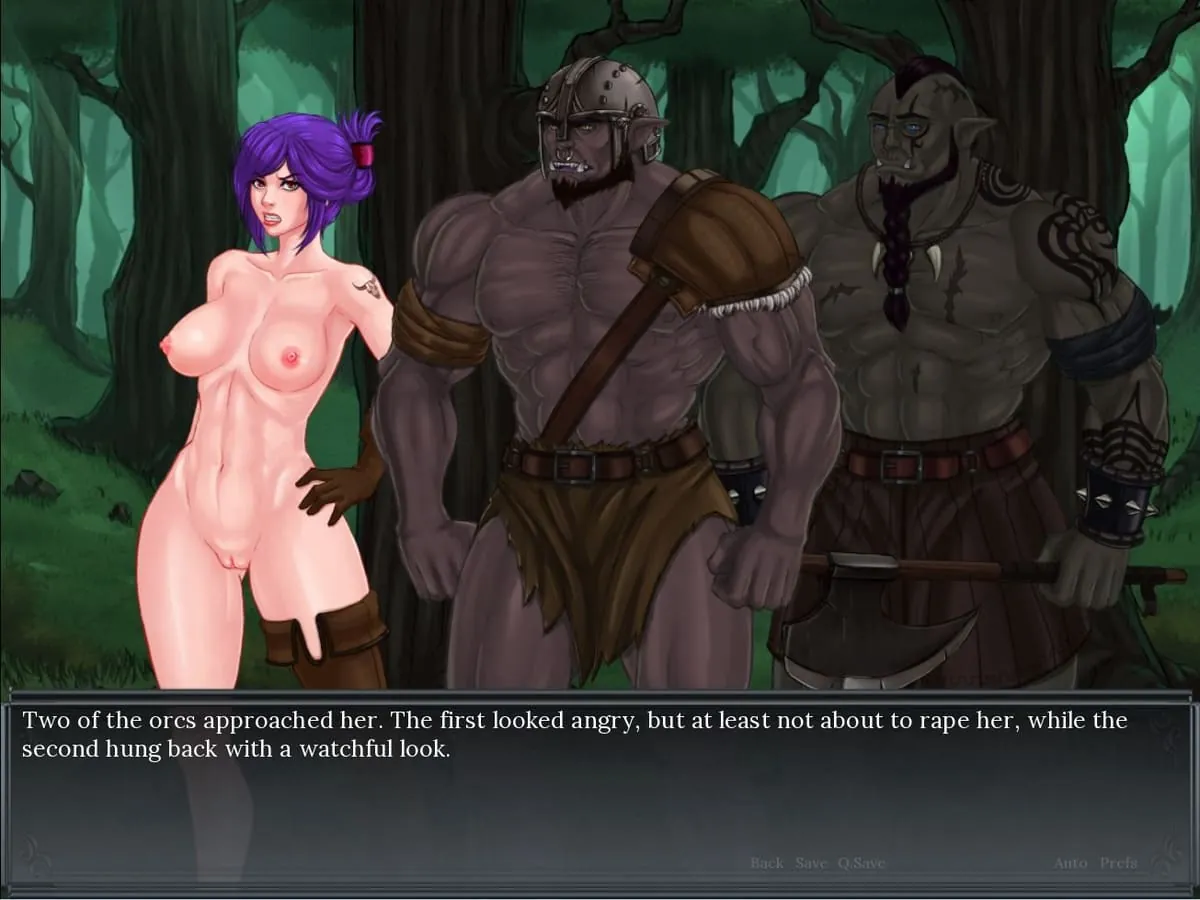
Parental Love
Play Parental Love
Parental Love Screenshots







Parental Love review
Exploring emotional bonds and family dynamics in narrative-driven gaming experiences
Interactive narrative games have evolved into sophisticated mediums for exploring complex human emotions and relationships. Among the most compelling themes developers tackle is parental love—the deep, transformative bond between caregivers and those they protect. These games create immersive environments where players experience the weight of responsibility, sacrifice, and unconditional affection through interactive decision-making. Understanding how parental love functions within game narratives reveals not only the artistic ambitions of developers but also why these emotional connections resonate so powerfully with players seeking meaningful gaming experiences.
The Role of Parental Love in Character Development and Narrative Depth
Think about the most powerful stories you’ve ever experienced—in books, films, or around a campfire. Chances are, at the heart of many of them, you’ll find a family. 🏡 That primal connection, especially between parent and child, is a universal language of love, fear, hope, and legacy. In interactive storytelling, this isn’t just a background detail; it’s the very engine of the narrative. Parental love becomes the compass by which characters navigate, the weight that makes choices agonizing, and the reward that makes victory sweet.
We’re not just watching these bonds unfold; we’re actively participating in their creation, testing, and sometimes, their heartbreaking fracture. This chapter digs into how this potent dynamic fuels everything from a hero’s deepest fears to a story’s most unforgettable conclusions. Let’s explore how character development through family relationships transforms a good game into a life-changing experience.
How Parental Bonds Shape Character Motivations and Story Arcs
In traditional media, a character’s backstory with their parents is often a fixed point, a tragic wound or a noble inspiration handed down by the writer. In interactive narrative-driven games emotional storytelling, this relationship is alive. It breathes, evolves, and responds to your actions. A character isn’t just motivated by a lost parent; they are shaped, in real-time, by the parent you are choosing to be.
This is where interactive storytelling parental themes shine. Consider a game where you play as a guardian raising a child in a perilous world. Every decision you make—from how you console them after a nightmare to the harsh truths you reveal about the world—doesn’t just change a “likability” score. It actively molds their personality, their morals, and their core identity. Are they curious or cautious? Compassionate or cynical? Trusting or self-reliant? This isn’t pre-scripted; it’s co-authored by you.
I remember a moment where the child in my care found a wounded animal. I had a choice: teach them the harsh lesson of leaving it behind for our safety, or show mercy and risk attracting danger. Choosing the compassionate path didn’t just give me “good guy” points. Later, when we encountered a desperate stranger, the child, remembering my earlier lesson, immediately moved to help without my prompt. My parental love, expressed through consistent action, had literally written a core value into their code. That’s character development through family relationships at its most powerful—the past choice actively scripting the present behavior.
This dynamic creates incredibly rich story arcs. The child’s journey isn’t separate from your own; it’s a direct reflection of it. Your arc is one of guidance, sacrifice, and perhaps learning to let go. Theirs is one of growth, emulation, and eventually, independence. The narrative tension comes from whether these two arcs will align or tragically diverge based on the foundation you’ve built together.
Creating Emotional Stakes Through Family Relationships
Why do we care what happens in a story? Because we’re invested. And nothing makes us more invested than the fear of losing someone we love. This is the secret weapon of narrative-driven games emotional storytelling. By making you the architect of a fragile, growing bond, the game ties the emotional stakes in narrative games directly to that bond’s survival.
The threat isn’t just to the world, but to the family unit you’ve painstakingly built within it. A looming army is scary. A looming army that will tear your child from your arms is terrifying. A mysterious plague is concerning. A mysterious plague that gives your child a feverish cough is utterly paralyzing. The game masterfully uses the vulnerability of the child character—their dependence on you—to amplify every danger tenfold.
The highest stake in any story isn’t the end of the world; it’s the end of their world, and your place in it.
This principle answers the question of how do games portray family bonds. They portray them as the ultimate vulnerability and the ultimate strength. Your combat skills might keep monsters at bay, but only your words can heal the child’s fear after the battle. Protecting their physical safety is one quest; protecting their innocence, their hope, or their trust in you is the far more complex and rewarding mission. Every resource management decision carries this double weight: “Do I use this medicine on myself to stay strong for them, or on them directly to ease their suffering now?” These are the moments where player choice and family dynamics collide with profound emotional force.
The environment itself tells this story. A safe house isn’t just a save point; it’s a sanctuary where you read stories, share meals, and offer comfort. These quiet moments of normalcy aren’t filler—they’re the calm that makes the impending storm so much more frightening. They are the tangible representation of what you’re fighting for, making the emotional stakes in narrative games feel personal and desperately real.
The Impact of Parental Choices on Game Outcomes and Player Agency
This is where the rubber meets the road in interactive narrative. Your parental love isn’t a passive emotion; it’s a verb. It’s enacted through a thousand small decisions that collectively steer the entire narrative ship. Games track this through sophisticated, often-hidden relationship approval systems in games. This isn’t a simple “they like me” bar. It’s a complex web of trust, respect, fear, and admiration that influences everything.
Your child observes and internalizes everything. Did you lie to protect them, or tell a painful truth? Did you prioritize their education over immediate safety? Did you show mercy to an enemy in front of them? Each action subtly shifts their worldview and their perception of you. This system creates a powerful feedback loop for player choice and family dynamics. You see the consequences of your parenting style reflected in the child’s dialogue, their suggestions during exploration, and their reactions to new people.
Let’s walk through a concrete example of how this approval rating works mechanically. Imagine a key story moment where you must decide whether to confront a hostile group or seek a peaceful trade. Your child’s “Trust” and “Courage” stats, which you’ve built through prior interactions, will directly unlock or lock dialogue options.
| Child’s Developed Trait (Based on Your Choices) | Available Dialogue Option for Player | Potential Narrative Branch |
|---|---|---|
| High Compassion | “We don’t want trouble. We have supplies to share.” | Opens a peaceful trading route, gaining a safe haven and information. |
| High Cunning | “I know you’re low on ammunition. Let’s make a deal.” | Initiates a risky negotiation that could result in a better payoff or a double-cross. |
| High Fearfulness | “Just let us pass. Please.” (Auto-selected if courage is too low) | Forces you to surrender some resources, weakening you for future challenges. |
See how that works? The game isn’t just letting you role-play a parent; it’s letting your virtual child role-play the person you raised, which in turn dictates the roles available for you to play. This is the brilliant core of interactive storytelling parental themes.
The ultimate expression of this agency is the branching narrative ending. The game’s conclusion isn’t about who lives or dies in a final battle, but about who your child becomes because of your journey together. Here are key decision points that cement their destiny:
- The Final Sacrifice: When faced with an ultimate threat, do you teach them to fight for a better world, or to hide and survive at any cost? Your choice here finalizes their moral compass.
- The Truth About the Past: Do you reveal the full, ugly history of the world (and potentially your own role in it), or preserve a final illusion of innocence? This determines whether they see you as a hero or a flawed human, shaping their own capacity for forgiveness.
- The Letting Go Moment: In the end, do you hold them close, creating a closed, protective family unit, or encourage them to lead and teach others, extending your “family” to a whole community? This choice defines the legacy of your parental love.
These branches aren’t about “good” or “bad” endings. They’re about resonant, earned conclusions that feel true to the unique relationship you built. One ending might see your child as a hopeful leader, echoing your compassion. Another might see them as a solitary, ruthless survivor, a perfect mirror of your most pragmatic, fear-driven choices. This level of consequence is what makes the emotional stakes in narrative games pay off so powerfully. You’re not just completing a story; you’re witnessing the final, living report card on your own virtual parenthood, achieving profound character development through family relationships.
In the end, exploring parental love in games is about more than storytelling—it’s about connection. It allows us to experiment with the weight of care, the pain of sacrifice, and the joy of seeing something you nurtured grow. It proves that in narrative-driven games emotional storytelling, the most compelling quest isn’t to save the world, but to raise the person who might just live to see it rebuilt. And that journey, shaped by every whispered reassurance and every tough lesson, is perhaps the most human experience interactive media can offer. 💖
Parental love in interactive narrative games represents far more than a thematic element—it serves as the emotional foundation that drives character motivation, shapes player decisions, and creates meaningful consequences throughout the gaming experience. These games demonstrate that family relationships, when crafted with depth and nuance, can transform interactive entertainment into profound explorations of human connection and sacrifice. By allowing players to navigate complex family dynamics and witness how their choices ripple through character relationships, developers create experiences that resonate on deeply personal levels. As interactive storytelling continues to evolve, the portrayal of parental bonds will remain central to creating games that move players emotionally while offering genuine agency in shaping family narratives.