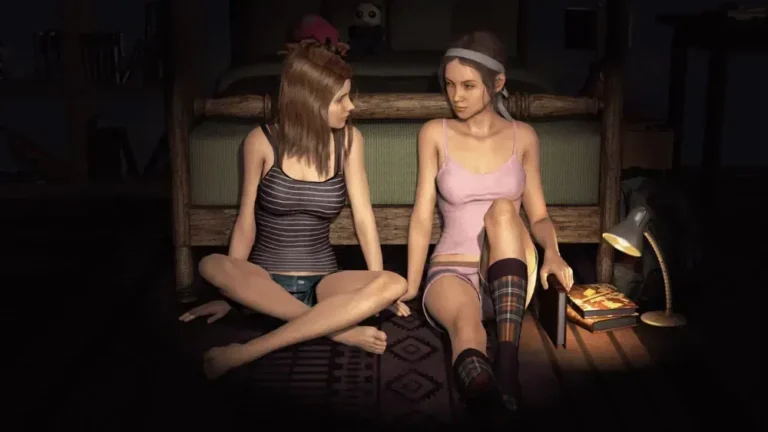
Short Sad Stories
Play Short Sad Stories
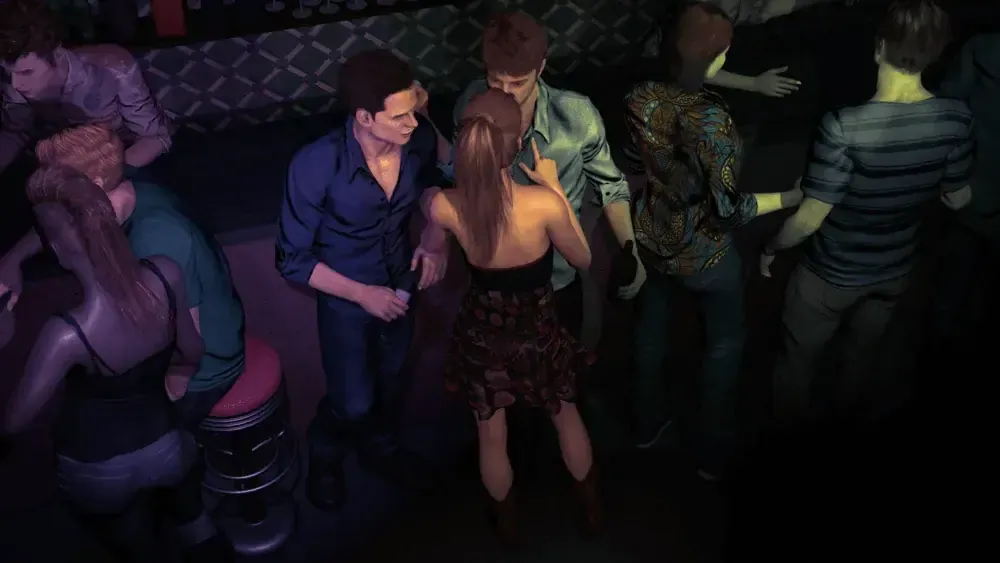
Short Sad Stories Screenshots


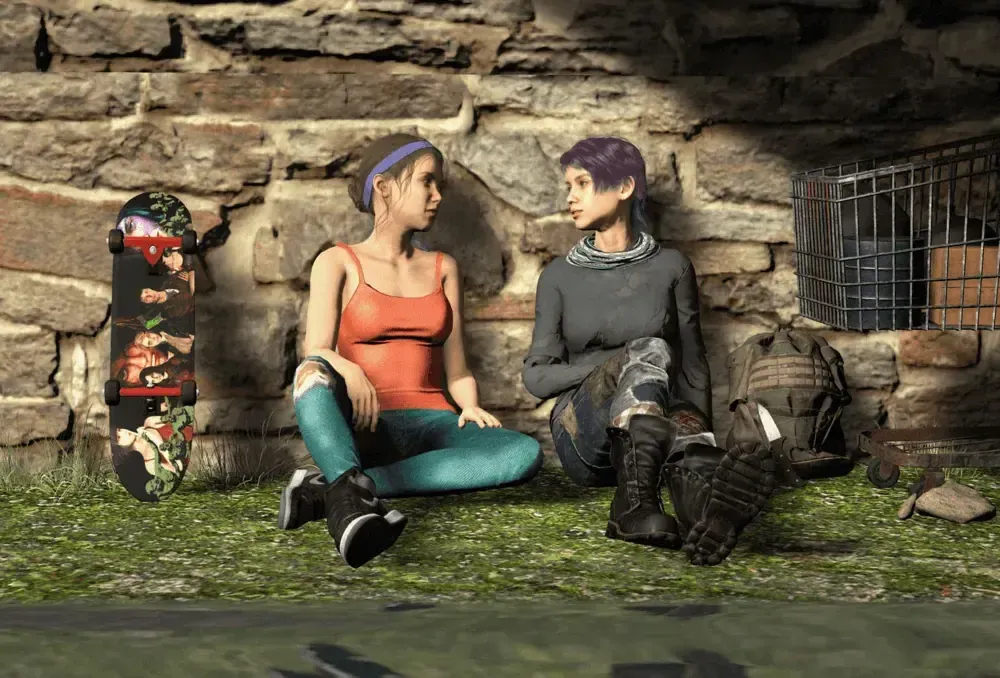
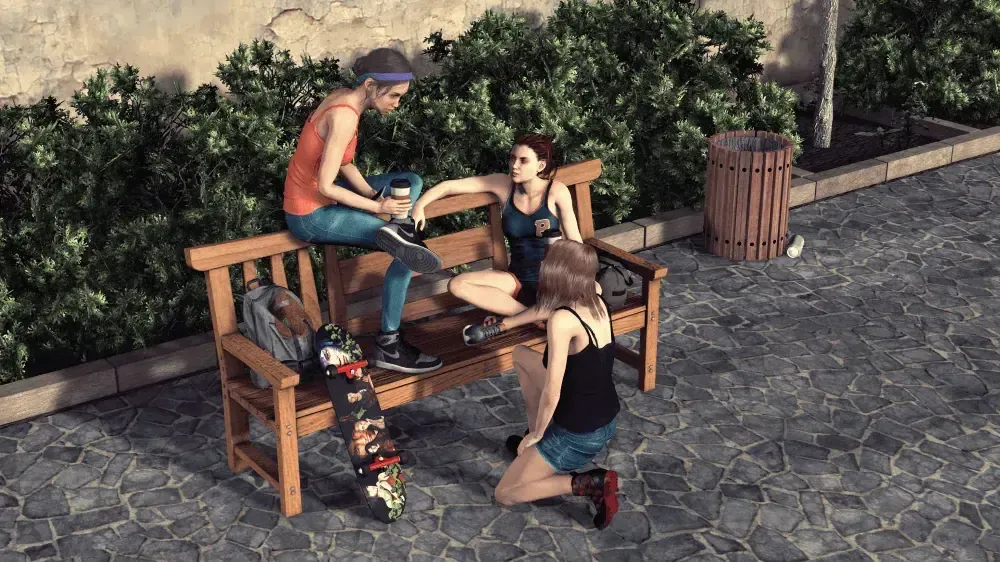
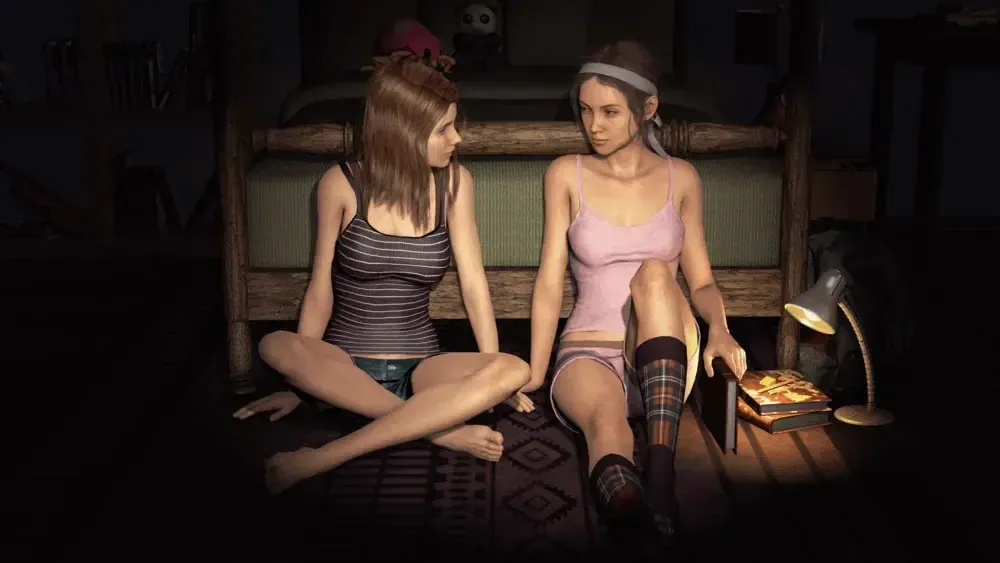
Short Sad Stories review
Dive into Heartbreaking Narratives and Player Choices in Pent Panda’s Masterpiece
Imagine stepping into a world where every choice tugs at your heartstrings, blending raw emotion with intimate moments in Short Sad Stories. This Pent Panda visual novel captures the lives of young adults navigating love, loss, and hidden desires in a bustling city. From Alice’s dreamy existence between reality and fantasy to a hero’s empty return home, the game weaves interconnected tales of maturity and hope. I’ve replayed it multiple times, each path revealing deeper layers of regret and connection. If you’re drawn to narrative-driven experiences with branching storylines and subtle adult elements, this guide uncovers why Short Sad Stories lingers long after the credits roll. Let’s explore its poignant gameplay and unforgettable characters.
What Makes Short Sad Stories Gameplay So Addictively Emotional?
I still remember my first playthrough of Short Sad Stories—the one where I thought I could fix everything. 😅 I’d chosen every dialogue option to be the perfect, supportive friend, meticulously clicking through scenes, convinced I was steering my character toward a happier ending. Then, the story branch hit. A simple, quiet moment of choosing to look away instead of speak up unraveled into a sequence of such profound loneliness that I had to put my controller down. That’s when it clicked: this interactive sad story game isn’t about changing fate; it’s about deepening your understanding of it. The genius of Short Sad Stories gameplay lies in making you an active participant in heartbreak, not a savior from it.
This narrative-driven game experience from Pent Panda hooks you not with the promise of a “good” ending, but with the raw, compelling truth of its emotional journeys. Let’s dive into what makes it so uniquely powerful.
How Player Choices Shape Branching Storylines
In most games, player choices Short Sad Stories might unlock new paths or bar others. Here, they work differently. Think of the branching storylines visual novel structure not as a roadmap with multiple destinations, but as a prism. You’re always looking at the same core tragedy, but your choices determine which facets of it catch the light and blaze with painful clarity.
For example, during an arc about loss, you might be given the task of curating a loved one’s belongings. Do you linger on each item, listening to a whispered memory, or do you pack them away quickly? The story progresses either way. You can’t stop the funeral. But your choice determines whether the subsequent emotional payoff is a muted, numb ache or a devastating, cathartic flood of memories. It shapes your understanding of the character’s grief, and by extension, your own. This is the core of how choices affect Short Sad Stories—they don’t alter the plot’s destination, but they completely transform the emotional and thematic scenery of the journey. You’re not choosing what happens; you’re choosing what matters in what happens.
Core Mechanics: Interactivity Meets Inevitability
The emotional game mechanics in Short Sad Stories are deceptively simple, yet they masterfully build a sense of agency within a framework of inevitability. This creates a powerful, sometimes uncomfortable, sense of responsibility and presence.
Slow Environmental Interactions: This isn’t a game you click through hastily. To interact with a key object—a fading photograph, a half-written letter—you often hold the interaction button. A progress circle fills slowly, forcing a moment of quiet focus. You are literally spending time with this memory, this regret. This mechanic physically slows you down to the story’s emotional pace, making you complicit in its unfolding.
Dialogue Decisions Affecting Relationships: While you can’t prevent a fallout, your dialogue choices define the texture of the relationships. Choosing bitter sarcasm versus weary resignation in an argument leads to the same estrangement, but the memories each character holds—and the scenes you unlock in replays—will reflect that bitterness or that weariness. It makes the silence that follows feel uniquely yours.
The Replay Imperative: A single playthrough of Short Sad Stories gameplay gives you one perspective. The game is designed for multiple runs, where previous choices subtly alter scenes, unlock entirely new vignettes, and let you see familiar moments through another character’s eyes. You might replay a “Regret” arc and, by choosing to vocalize a thought you previously kept silent, unlock a heartbreaking reaction shot from another character you never saw before. The story expands inward, not outward.
Emotional Payoffs from Key Story Arcs
The true magic happens when the mechanics and choices crystallize into a moment of pure emotional resonance. Each major story arc in this branching storylines visual novel is built around a specific feeling, and the gameplay is tailored to make you feel it in your bones.
Here’s a breakdown of how some key arcs marry theme, mechanic, and payoff:
| Story Arc Theme | Core Gameplay Mechanic | Emotional Payoff |
|---|---|---|
| Loss & Letting Go | Item Curation & Memory Triggers | Cathartic Release. The act of slowly handling objects, which unlocks short voiceovers or images, builds a poignant memorial. Letting go of the final item (by choice) often triggers a scene of quiet acceptance or a flood of cherished memories, providing closure. |
| Regret & Missed Chances | Memory Replay & Alternative Dialogue | Bittersweet Insight. In subsequent playthroughs, you can “replay” pivotal moments. Choosing the other thing you wish you’d said doesn’t change the present, but it reveals what *could have been* in a brief, golden-hued scene, deepening the ache of the original outcome. |
| Intimacy & Distance | Dialogue Timing & Physical Interaction | Vulnerability or Isolation. Adult elements, like intimate scenes, are not gratuitous. They are unlocked or altered based on cumulative relationship choices. They represent peak vulnerability and connection, making their later absence or the memory of them in a fractured relationship feel profoundly impactful. |
These payoffs aren’t rewards; they are revelations. They are the game’s way of saying, “You sat with this feeling. You engaged with it. Now feel its full weight.” The player choices Short Sad Stories offers are the vehicle for this deep, personal engagement.
My biggest tip? Avoid save-scumming. Don’t reload a save because a choice felt too painful. The power of this narrative-driven game experience comes from living with your decisions and seeing where they lead, even—especially—when it hurts. The first, unspoiled playthrough is a unique and personal emotional record.
So, why is Short Sad Stories so replayable? Because it understands that sadness isn’t a single note; it’s a chord. Each playthrough lets you hear a different combination of those notes. You return not to “win,” but to understand more, to see a different angle of the same beautiful, broken sculpture. It’s a masterpiece of interactive sad story game design because it values emotional truth over player power, and in doing so, creates an experience that lingers long after the screen fades to black. ✨
To make the most of your journey through Pent Panda’s masterpiece, keep these practical tips in mind:
- Embrace the First Playthrough Blind: Go in with no guides. Let your instincts guide your player choices Short Sad Stories. Your authentic, unspoiled reactions are the heart of the experience.
- Listen and Observe Closely: Pay attention to environmental sounds, shifting light, and character posture. Much of the story and emotional state is told through these subtle details, not just dialogue.
- Don’t Rush the Interactions: When the game asks you to hold a button to look at an object, do it. Sit in the silence. This is where the emotional game mechanics do their most vital work.
- Journal Your Playthroughs (Mentally or Actually): Note key choices and their immediate outcomes. On your next run, try a diametrically opposite approach to a key moment and watch how the story’s emotional fabric changes.
- Take Breaks Between Arcs: These stories are designed to sit with you. Playing one heartbreaking arc after another can lead to emotional fatigue. Give yourself time to process before diving into the next tale.
Short Sad Stories by Pent Panda isn’t just a game—it’s a mirror to our own regrets and connections, wrapped in masterful interactivity and subtle intimacy. From Alice’s blurred realities to the shadows of unspoken secrets, its tales of young adults facing life’s curveballs leave you changed. My multiple playthroughs taught me that true depth comes from embracing the sadness, not escaping it. If these intertwined stories of hope amid heartbreak resonate, grab the Final + DLC version today. Dive in, make those tough choices, and let the emotions wash over you—you won’t forget this journey.