Something to Write About: The Author
Play Something to Write About: The Author
Something to Write About: The Author Screenshots



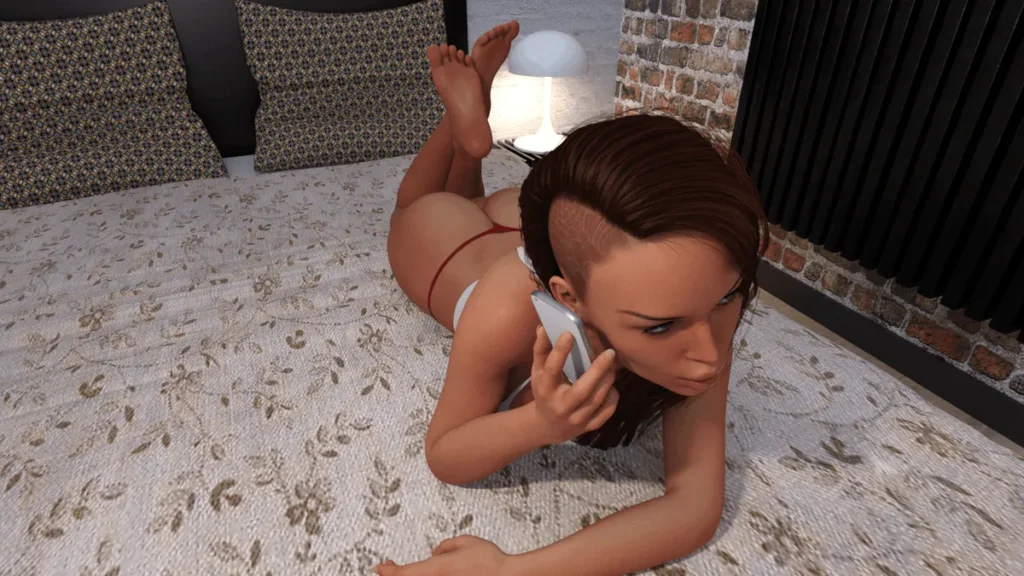

Something to Write About: The Author review
Exploring characters, choices, and storytelling in Something to Write About: The Author
Something to Write About: The Author is a narrative-driven game that blends character-focused storytelling with interactive choices, inviting you to step into the mind and routine of an author navigating work, relationships, and personal desires. In this article, I’ll walk you through how the game plays, what makes its story tick, and why its focus on creative and emotional tension can feel surprisingly personal. Drawing from my own time with Something to Write About: The Author, I’ll share what stood out, where it stumbles, and how to decide if this kind of intimate, story-heavy experience is right for you.
What Is Something to Write About: The Author All About?
Ever found yourself staring at a blank page, cursor blinking, willing a story into existence? 🫣 That familiar creative struggle is exactly where Something to Write About: The Author begins, but you’re not just writing the story—you are the story. This isn’t a game about slaying dragons or solving mysteries (though those might be the plots your character dreams up). It’s a deep, often achingly personal story-driven visual novel that places you in the worn-out shoes of an author navigating the messy intersection of art, life, and complicated relationships.
At its heart, Something to Write About: The Author game is an interactive narrative game focused on character driven storytelling. You’ll spend your time immersed in beautifully rendered scenes, absorbing dialogue, listening to inner monologues, and making choices that ripple through the narrative. Forget complex stats or inventory puzzles; your primary tool here is empathy, and your main action is choice.
How does the core story of Something to Write About: The Author unfold?
The premise is beautifully simple in its relatability. You are an author, wrestling with deadlines, creative blocks, and the quiet chaos of everyday life. 📚✨ The plot unfolds through a series of episodes or chapters, each acting like a new page in your character’s ongoing journal. You move from scene to scene—a tense conversation in a café, a vulnerable moment at a writing desk, a charged encounter with a friend or rival.
The core tension doesn’t come from external threats, but from internal and interpersonal drama. Will you open up to that intriguing stranger about your creative fears? How do you handle a friend who feels neglected by your workaholic habits? The story-driven visual novel format excels here, letting the narrative breathe and allowing you to sit with the emotional weight of each moment. It’s a slow burn, focusing on the subtle glances, the unspoken words, and the quiet realizations that build a life—and a personality.
I remember one early scene where a fellow writer, Leo, criticized a piece of my in-game work. The game presented me with a handful of responses: a defensive retort, a self-deprecating joke, or a genuinely curious question about his perspective. I chose the joke, trying to deflect the discomfort. 🤷♂️ It felt harmless in the moment. But two chapters later, when I needed an honest critique, Leo was polite but distant, referencing my “inability to take things seriously.” That small, almost reflexive choice had quietly defined our entire dynamic. It was a powerful lesson in how Something to Write About: The Author treats every interaction as a building block for its character driven storytelling.
What kind of gameplay and choices can you expect?
If you’re wondering how does Something to Write About: The Author play, the answer is: with your heart and your head. This is the epitome of choice based gameplay, but not in the “save the kingdom or doom it” sense. Your decisions sculpt the tone, relationships, and the author’s own personality.
The gameplay structure is elegantly straightforward:
* You read through narrative text and dialogue.
* At key moments, you are presented with a selection of responses or internal thoughts.
* You choose one, and the story continues, shaped by your selection.
These choices are rarely about “good” or “bad” endings. Instead, they ask: Do you want your author to be vulnerable or guarded? Sarcastic or sincere? Ambitious or content? The interactive narrative game weaves your selections into the fabric of the tale, affecting future dialogue options, character attitudes, and even which scenes you experience.
Let’s look at an example from the game:
You’re at a busy book launch. An acquaintance, Maya, pulls you aside and asks, with real concern, “You seem quieter than usual. Is everything okay with the new manuscript?”
Your choices might be:
1. “It’s just the crowd. I’m fine, really.” (Deflect & Close Off)
2. “Is it that obvious? I’m stuck on chapter seven and it’s eating me alive.” (Be Open & Vulnerable)
Choosing option 1 might keep the conversation light and short, preserving your author’s privacy but potentially signaling to Maya that you’re not open to deeper friendship. Choosing option 2 could lead to a longer, more intimate scene where Maya shares her own creative struggles, forging a bond of mutual trust that unlocks supportive interactions later in the story. This is choice based gameplay in its purest form: intimate, consequential, and deeply human.
To set clear expectations, here’s what you can anticipate from the experience:
| Activity | What It Involves | Gameplay Weight |
|---|---|---|
| Reading & Narrative | Following the story, inner thoughts, and dialogue. | High – This is the core of the experience. |
| Dialogue Selection | Choosing how your author responds in conversations. | High – Your primary mode of interaction. |
| Relationship Building | Your choices slowly alter how other characters view and interact with you. | High – The central “progress” system. |
| Exploring Environments | Clicking to move between key story scenes. | Low – The focus is on people, not places. |
| Puzzle or Action Mechanics | Managing complex systems or executing timed actions. | None – This is a story-first experience. |
Who is the game really for?
So, who is Something to Write About: The Author for? This is the most important question to answer, because this game is a specific—and wonderful—kind of experience. 🎯
You will likely love Something to Write About: The Author if you:
* 💖 Enjoy slow-burn, literary-style stories where character development is the plot.
* 🤔 Like to role-play and “inhabit” a character, making decisions based on personality, not just strategy.
* 📖 Are a fan of visual novels, interactive fiction, or narrative-heavy games like Disco Elysium (in its talk-centric moments).
* 🎭 Appreciate stories about artists, the creative process, and the drama of everyday life.
* 🔀 Value replayability to see how different personality choices branch the narrative.
My personal insight? Playing this game feels like co-authoring a novel. The game provides the plot points and the exquisite prose, but you get to decide the protagonist’s heart. It’s incredibly rewarding for anyone who loves to analyze motivation and subtext.
You might want to skip Something to Write About: The Author if you:
* ⚡ Crave fast-paced action, combat, or high-stakes adventure.
* 🧮 Prefer games with deep mechanical systems, skill trees, or resource management.
* 🤺 Need clear “objectives” or quest markers; this is an experience to be felt, not “beaten.”
* 📢 Dislike reading large amounts of text or prefer minimal storytelling.
In terms of commitment, expect a read akin to a substantial novel. A single playthrough can take several hours, and the choice based gameplay is designed to invite you back. Want to see what happens if your author is confident instead of anxious, or pursues a different relationship? That’s where the Something to Write About: The Author game reveals its depth, encouraging you to write alternative chapters in your character’s life.
Frequently Asked Questions
Do I need experience with visual novels to enjoy this?
Not at all! 🆕 If you enjoy reading and character-focused stories, you have all the experience you need. The story-driven visual novel format is very accessible here.
How long is the game, and is it replayable?
A single narrative path is a substantial, novel-length experience. Replayability is high, as your core choices significantly alter dialogue and relationship dynamics, making a second playthrough feel distinct.
Is there any “game over” or way to fail?
Not in a traditional sense. Your choices lead to different narrative outcomes and relationship states, but they are all valid parts of the story. It’s about the journey your specific author takes.
What is the overall tone?
It’s a mix of introspective realism, emotional tension, and moments of warmth and humor. It feels authentic—sometimes painfully so—in its portrayal of creative struggle and human connection.
Ultimately, Something to Write About: The Author is a quiet masterpiece for a specific audience. It’s for the readers, the over-thinkers, and the empathizers. It’s a game that proves the most compelling interactive stories aren’t about saving the world, but about understanding the person trying to write about it. ✍️❤️
Something to Write About: The Author builds its entire experience around choices, conversations, and the inner life of a working writer, so your enjoyment will largely depend on how much you appreciate slow, reflective storytelling. If you like following nuanced characters, living with the consequences of your decisions, and treating each scene like another page in a book you’re co-writing, this title has a lot to offer. Take your time with the dialogue, lean into the role of the author, and let the branching moments nudge you toward playthroughs that feel uniquely yours. When you’re ready, dive in and see what kind of story you end up writing.