Stars of Salvation
Play Stars of Salvation
Stars of Salvation Screenshots
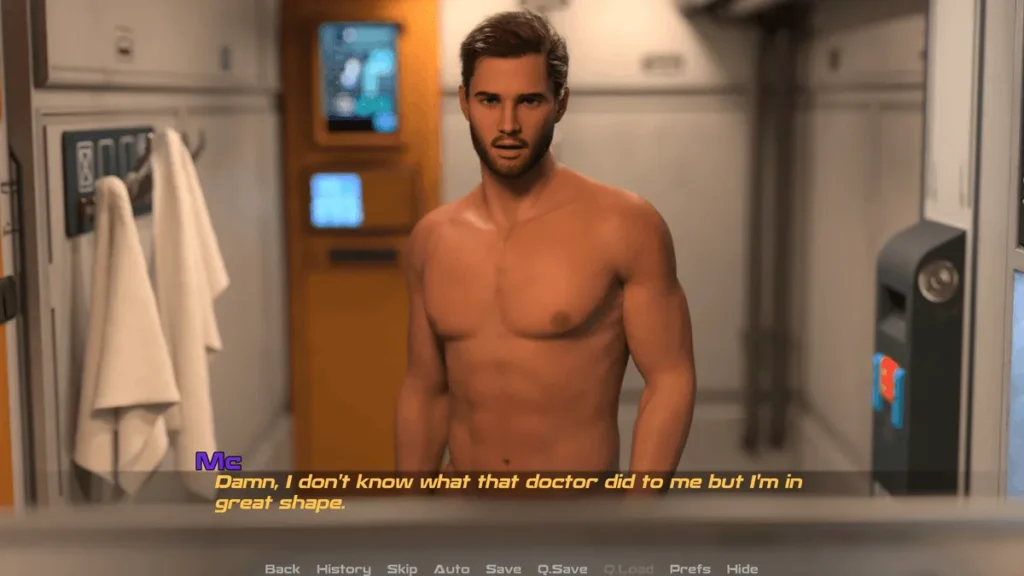

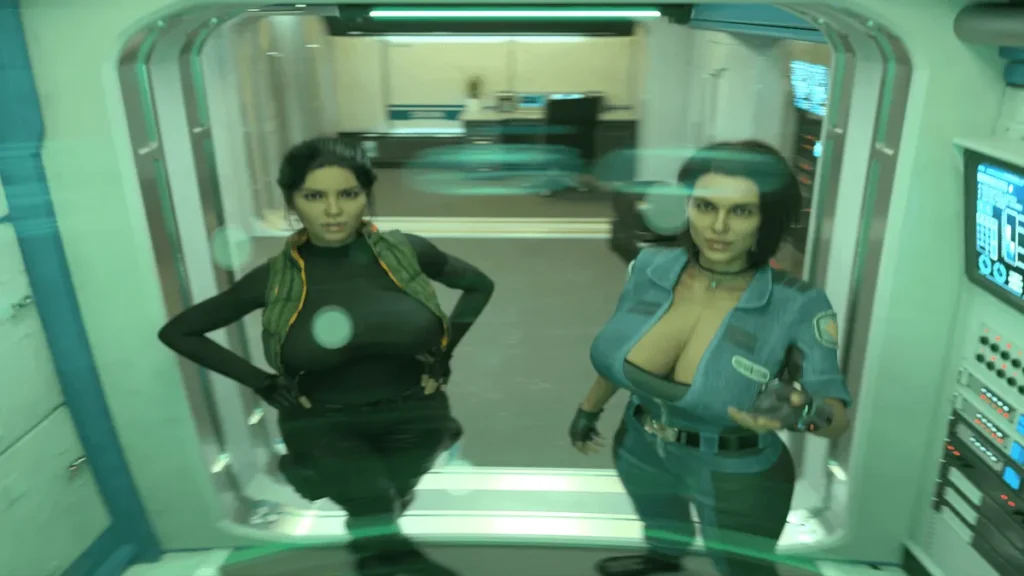

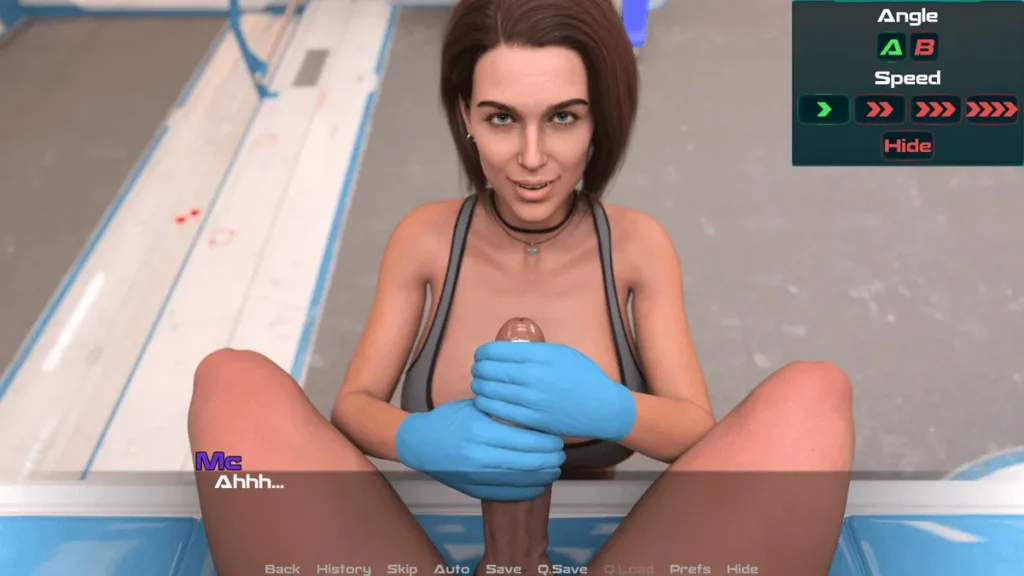
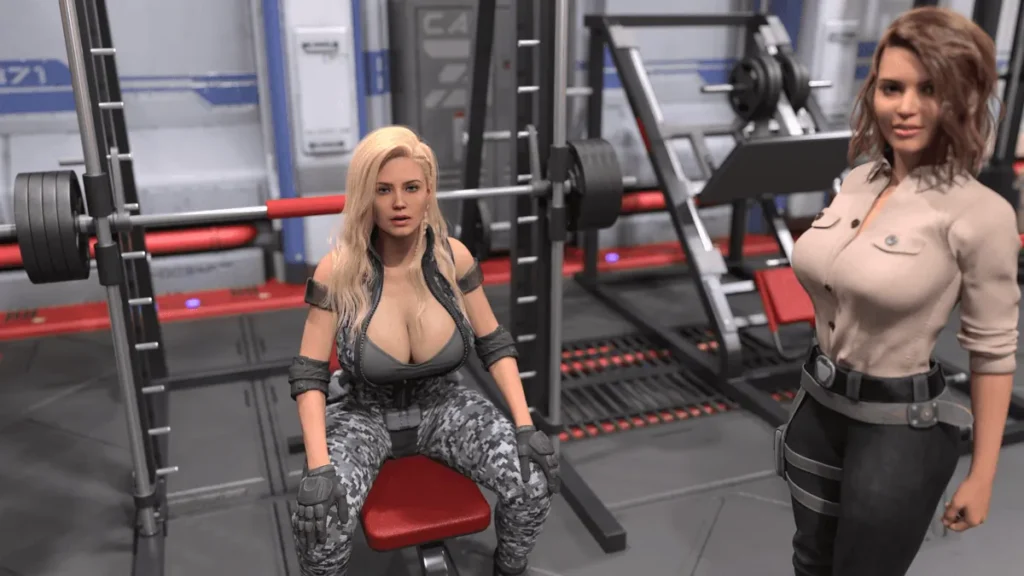
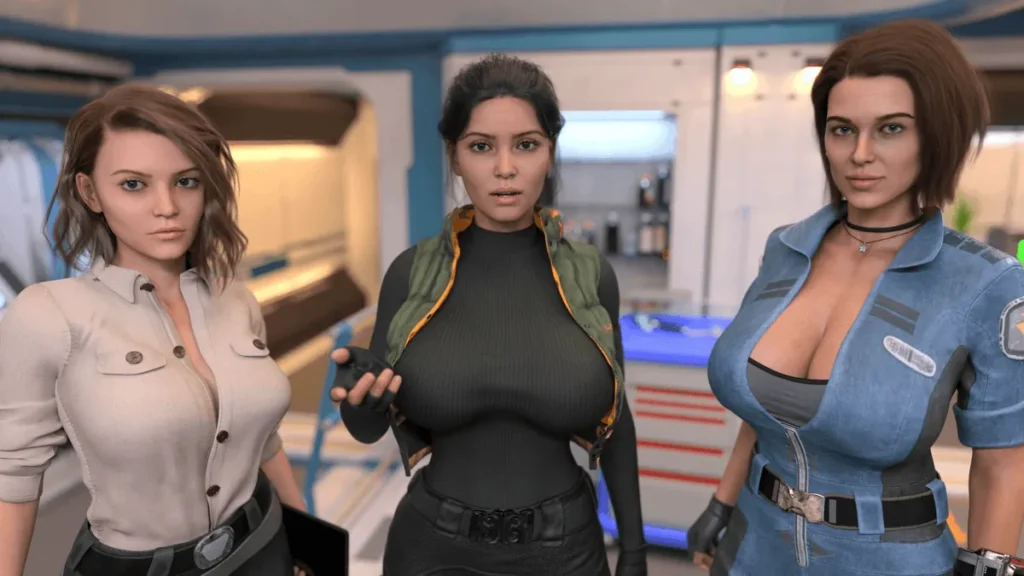
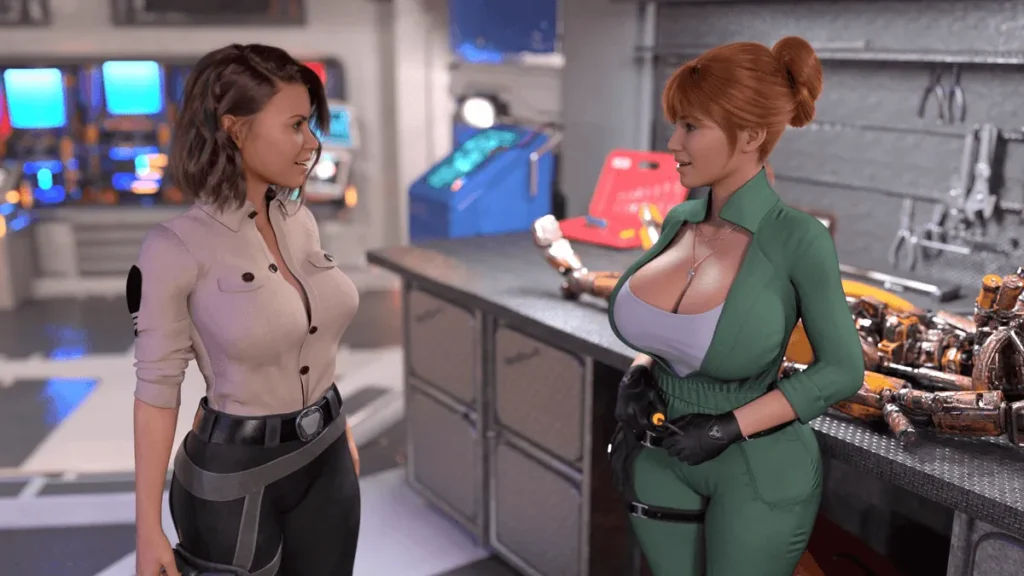
Stars of Salvation review
Explore the immersive storytelling and gameplay mechanics of this unique sci-fi experience
Stars of Salvation stands out as a distinctive sci-fi visual novel that combines futuristic storytelling with intimate narrative elements. This game merges the thrill of science fiction adventure with the emotional depth characteristic of visual novel experiences. Whether you’re a seasoned visual novel enthusiast or new to the genre, understanding what Stars of Salvation offers can help you decide if this title deserves a spot in your gaming library. This comprehensive guide explores the game’s core features, gameplay mechanics, narrative structure, and what makes it a compelling choice for fans of sci-fi interactive fiction.
Understanding Stars of Salvation: Gameplay and Core Mechanics
So, you’ve downloaded Stars of Salvation, ready to dive into its neon-lit corridors and cosmic mysteries. You’re expecting a story, maybe some beautiful art and music. But then you hit your first major decision, and the screen glitches for a second—a subtle, unsettling effect. Your choice isn’t just about dialogue; it’s altering the ship’s power grid, which you’ll only realize hours later. This isn’t your average read. Welcome to a sci-fi visual novel gameplay experience that demands you think like a starship captain, not just a spectator. 🚀
I remember my first playthrough. I approached it like any other story, making choices based on gut feeling. Big mistake. By the mid-point, my ship, the Aegis, was crippled because I’d prioritized diplomatic relations over engine maintenance in a seemingly unrelated early scene. The game had been tracking my resource allocation the entire time. That’s the genius of Stars of Salvation mechanics; they are woven into the narrative fabric, making the world feel alive, reactive, and beautifully punishing.
This chapter is your flight manual. We’re going beyond simply how to play visual novels. We’ll crack open the core systems that make this interactive storytelling game a standout, exploring how your every move shapes a living, breathing universe.
### What Makes This Sci-Fi Visual Novel Unique? 🪐
At its heart, Stars of Salvation is a masterclass in genre fusion. It takes the intimate, character-driven focus of a visual novel and launches it into the vast, logical, and often terrifying realm of hard science fiction. While many games in the genre use sci-fi as a backdrop for romance or adventure, Stars of Salvation makes the science and the setting active participants in the plot.
The uniqueness starts with integration. The sci-fi game story progression isn’t separate from the “visual novel” parts. The setting of a fractured galactic federation on the brink of civil war isn’t just wallpaper. It directly informs every character’s motivation, every political dilemma, and every technological constraint you face. You’re not just reading about a plasma conduit rupture; you’re using the ship’s schematic interface (a beautiful in-game menu) to reroute power, which directly impacts which story branches remain open to you.
What truly sets it apart are its two-layer consequence systems. The first is the familiar emotional layer: your dialogue choices build or break trust with your crew. The second is a logistical layer unique to its premise. Your ship has finite resources—power, fuel, ordnance, and crew morale, represented by a sleek, in-game management HUD. A choice to aggressively scan a derelict ship might advance the plot but consume power needed for life support later. This creates a constant, thrilling tension between your heart and your head, between being a compassionate leader and a pragmatic survivor.
Tip from a Veteran Captain: Don’t try to be perfect on your first run. The game is designed for multiple playthroughs. That initial, “messy” journey where you face the consequences of your poorly balanced decisions is often the most memorable and authentic storytelling experience.
### Gameplay Mechanics and Player Interaction 🎮
If the story is the soul of Stars of Salvation, the mechanics are its central nervous system. This is where the interactive storytelling game truly comes alive. You’re not clicking through passively; you’re piloting the narrative through a series of intelligent, interconnected systems.
The core loop is elegantly simple: Read narrative and dialogue, encounter decision points, and witness the consequences unfold. But the depth lies in the types of interaction. Here are the key pillars of the Stars of Salvation mechanics:
- The Dialogue & Relationship Matrix: Every major character has a hidden relationship score that shifts based on your choices. This doesn’t just unlock new dialogue; it determines who supports you in crises, who might betray you, and which character-specific story routes become available.
- The Ship Management Interface: This is the game’s secret weapon. Accessed at key moments, this screen lets you allocate power, assign crew to repairs, or manage inventory. A decision in a conversation might give you permission to do something, but this interface determines if you have the means to do it.
- The “Echo” System: Past choices literally echo into future scenes. Mention helping an engineer with a personal problem three chapters ago, and she might volunteer for a dangerous mission now. The game has a remarkable memory.
- Skill-Check Moments: Certain critical actions require your character to have developed specific competencies, which are unlocked by making consistent choices in a particular direction (e.g., always opting for technical solutions builds your “Engineering” trait).
Central to all of this is the visual novel choice system. Choices are rarely simple “Good/Bad” binaries. Instead, they are often tactical, ethical, or logistical dilemmas presented with a short-term context but with long-term, branching repercussions.
| Choice Type | Example from *Stars of Salvation* | Potential Branching Consequence |
|---|---|---|
| Tactical/Resource | “Divert power to shields (uses 15% reserve)” vs. “Boost sensor range to identify the threat.” | Shield choice may save you from immediate attack; sensor choice may reveal the enemy is a friendly in disguise, preventing combat entirely but leaving you vulnerable if you’re wrong. |
| Ethical/Leadership | “Order the dangerous salvage operation (risks crew)” vs. “Abandon the valuable wreck (loses potential resources).” | Salvage may gain tech for future puzzles but lower crew loyalty; abandoning it keeps crew safe but may leave you under-equipped for a future boss encounter. |
| Character-Defining | “Confront the traitor publicly on the bridge” vs. “Detain them quietly and investigate their motives privately.” | Public confrontation rallies some crew but breeds fear; private investigation may uncover a deeper conspiracy but makes you look weak to others. |
This table shows how the visual novel choice system is engineered to create meaningful stakes. The game brilliantly uses its sci-fi visual novel gameplay to make you feel the weight of command. Every option is valid, but none are free. This depth of interaction is what defines the Stars of Salvation experience and elevates it beyond a simple branching story. 💡
### Story Structure and Narrative Progression 📖
Understanding the branching narrative structure of Stars of Salvation is key to appreciating its scope. This isn’t a straight line with a few detours; it’s a sprawling galaxy of possibilities, all stemming from your actions. The sci-fi game story progression is divided into three distinct, dynamically shifting acts.
Act 1: The Catalyst & Crew Assembly. You are awakened as the newly appointed captain of the Aegis during a sudden attack. This act is about survival and defining your leadership style. The choices here seem localized—who do you save first? How do you quell the panic? But they are secretly laying the groundwork. They determine your starting resource levels, which core crew members have inherent trust in you, and even change the introductory scenes for certain characters. It’s a masterclass in subtle world-building.
Act 2: The Fractured Galaxy. With the immediate crisis over, the game opens up. This is where the branching narrative structure becomes most evident. Based on your early choices, you will pursue one of several primary story arcs: perhaps a political thriller involving the Federation council, a mystery about ancient alien technology, or a war story focusing on frontline battles. Your ship’s capabilities (shaped by your management) will determine which star systems you can even reach, literally gating content based on your mechanical decisions. This act is the heart of the interactive storytelling game, where your unique path through the cosmos truly takes shape.
Act 3: Convergence & Climax. All paths begin to weave back toward the central, overarching threat. However, your journey through Act 2 drastically changes the context of this finale. Who are your allies? What technology do you have at your disposal? What personal sacrifices have you already made? The final sequences, from epic space battles to intense diplomatic summits, will play out completely differently based on your accumulated story capital. There isn’t one “true” ending; there are multiple resonant conclusions that feel like the direct, logical outcome of your captain’s journey.
This structure feeds directly into the game’s masterful encouragement of replayability. Your first playthrough shows you maybe 40% of the total content. New game+ isn’t just about carrying over stats; it allows you to make different foundational choices with the foreknowledge of what’s to come, unlocking entirely new character routes, ship upgrades, and even whole sub-plots you never saw before.
The sci-fi visual novel gameplay loop is complete: your choices drive the mechanics, the mechanics shape the narrative structure, and that structure presents you with even more profound choices. It’s a self-reinforcing cycle of immersion. By understanding these Stars of Salvation mechanics, you stop being a player following a script and start being the author of your own cosmic legend. Your console is waiting, Captain. The stars, and your salvation, are yours to define. ✨
Stars of Salvation represents a compelling entry in the sci-fi visual novel genre, offering players a unique blend of futuristic storytelling and interactive narrative experiences. The game’s combination of choice-driven gameplay, intricate world-building, and character-focused storytelling creates an engaging experience for fans of both science fiction and visual novels. Whether you’re drawn to the genre’s emotional depth, the thrill of sci-fi adventures, or the appeal of multiple story branches, Stars of Salvation delivers a memorable interactive experience. For those considering diving into this title, understanding its mechanics and narrative structure helps set appropriate expectations and maximizes your enjoyment of the game’s rich content.