Midnight Paradise
Play Midnight Paradise
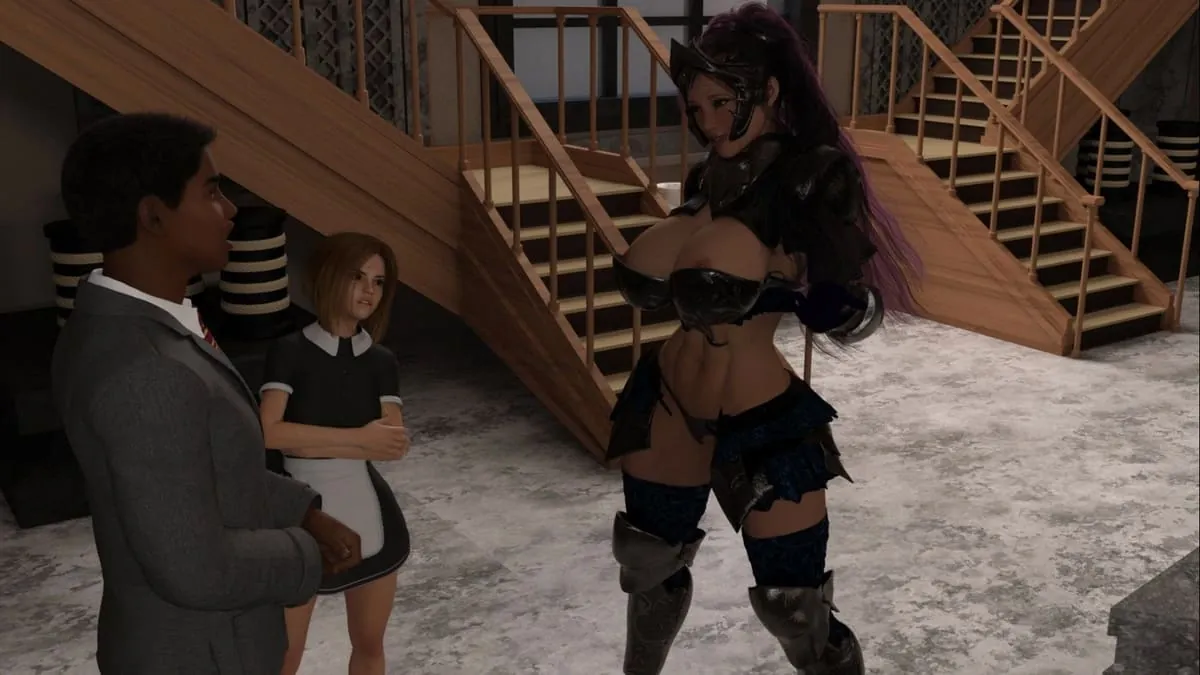
Midnight Paradise Screenshots
























Midnight Paradise review
Everything you need to know about this college dropout simulation experience
Midnight Paradise stands out as a unique college-themed simulation experience that combines competitive gameplay with character-driven storytelling. As a college dropout protagonist, you’re tasked with proving yourself while competing against rivals on your path to success. This guide explores the game’s core mechanics, character interactions, gameplay features, and what makes it a compelling choice for players seeking narrative-rich simulation experiences. Whether you’re new to the title or looking to deepen your understanding, this comprehensive overview covers everything from basic gameplay to advanced strategies.
Understanding Midnight Paradise: Game Overview and Core Mechanics
Ever downloaded a game expecting a chill life sim and ended up feeling like you’re managing a spreadsheet? 😅 I have. You pick a character, you grind skills, you buy a slightly bigger virtual house… it can get repetitive. That’s exactly why Midnight Paradise felt like a breath of fresh, chaotic night air. This isn’t about building a perfect life; it’s about navigating the glorious, messy aftermath of throwing the “perfect plan” out the window.
At its heart, the Midnight Paradise game is a bold college dropout simulation. You don’t play as a hopeful freshman, but as someone who’s looked at the traditional path and said, “No, thanks.” The premise is instantly relatable: your character has nothing left to lose but everything to prove, not to a dean’s list, but to themselves and a cast of compelling characters in a world that operates after dark. The setting may be a college town, but the classroom is the bustling street, the late-night diner, and the underground venues where reputations are made and broken. This backdrop is crucial—it’s a world of fleeting freedom and looming responsibility, which fuels every decision you make.
So, how does it play? Midnight Paradise gameplay masterfully blends narrative-driven choice with tangible progression systems. Forget simple “good or bad” dialogue trees. Every interaction, from helping a friend to undermining a rival, ripples outwards, affecting your relationships, opportunities, and the town’s perception of you. It’s a loop of building your skills (often unorthodox ones), forming alliances, challenging opponents, and leveraging your growing reputation to take on bigger risks and rewards. It’s this seamless blend of story and strategy that sets it apart.
### What is Midnight Paradise and How Does It Play?
Imagine this: Your character’s academic life is over, but their real education is just beginning. The Midnight Paradise game drops you into a vibrant, persistent college town where the real action starts when the sun goes down. Your goal isn’t to graduate; it’s to carve out your own kingdom from the chaos. Are you going to be the charismatic connector who knows everyone’s secrets? The shrewd entrepreneur turning campus needs into profit? Or the relentless contender who climbs to the top by outsmarting every obstacle?
The core loop is incredibly engaging. Your days (and nights) are spent on a mix of activities that feed into three main pillars: yourself, your relationships, and your rivals. You might spend an afternoon boosting your “Street Smarts” stat to unlock new dialogue options, then use that edge to negotiate a better deal for a faction quest in the evening. Later, you might choose to hang out with a key character, deepening that bond to gain a unique perk, like access to a restricted area or a tip about a rival’s weakness.
What truly defines the Midnight Paradise gameplay is its consequence-driven narrative. Early on, I made a flippant comment to a seemingly minor character. It felt inconsequential at the time. Fast forward ten hours of gameplay, and that same character was the gatekeeper for a major story branch I wanted to access—and they remembered my earlier dismissiveness, making it far harder to win their trust. The game doesn’t just track a “friendship meter”; it remembers your actions. This creates a uniquely personal story where your choices carry real weight, making this college dropout simulation feel less like a game and more like a role-playing experience where you’re writing your own comeback story.
### Character Progression and Relationship Building
In many games, leveling up just means bigger numbers. Not here. The character progression mechanics in Midnight Paradise are deeply intertwined with who you know and how you interact with the world. Your stats aren’t just “Charisma” or “Intelligence”; they’re traits like Hustle, Influence, Cunning, and Grit. These develop not by mindless grinding, but by doing. You increase your Hustle by successfully completing side jobs or negotiating deals. You build Influence by winning over key figures and leading group activities.
This is where the brilliant relationship building system comes into play. Every major character in the town is a potential ally, mentor, friend, or romantic interest, and they all have their own goals, schedules, and personalities. Building a relationship isn’t just about giving gifts or saying the nice thing (though that can work for some!). It’s about demonstrating value and shared interests. A character who values loyalty will be impressed if you defend them in a rumor mill, while an ambitious character might respect a shrewd, competitive move more than a friendly coffee date.
The real power isn’t in maxing out a single stat; it’s in building a network where your weaknesses are covered by your allies’ strengths. 🫂
Let me give you a personal example. I was struggling with a challenge that required high “Cunning.” Instead of grinding for hours, I focused on strengthening my bond with a character who was a natural schemer. After helping them with a personal storyline, they offered to “handle” the challenge for me, providing an alternate path to success. The relationship building system is a core progression engine. Your connections grant you unique abilities, open locked story paths, and provide crucial support during competitive events. The game brilliantly makes social capital as valuable as any in-game currency.
To see how these systems interact, let’s break down the core pillars of the experience:
| Gameplay Pillar | Character Interaction Types | Progression Methods | Competitive Elements |
|---|---|---|---|
| Social & Alliance | Mentorship, Friendship, Romance, Faction Loyalty | Unlocking character-specific perks, gaining access to exclusive areas/resources, earning faction reputation. | Co-op challenges vs. other factions, alliance-based prestige rankings. |
| Personal Development | Self-focused actions, Solo training, Personal quests | Direct stat increases (Hustle, Grit, etc.), unlocking new action types, improving personal resources. | Preparing for direct rival confrontations, qualifying for high-stakes solo events. |
| Rivalry & Conquest | Antagonism, Sabotage, Direct Confrontation, Territorial disputes | Gaining notoriety, claiming rival-controlled spots, earning fear/respect from NPCs. | Head-to-head challenges, territory control minigames, reputation leaderboards. |
### Competitive Gameplay and Rivalry Systems
If the relationship system is the heart of Midnight Paradise, then the competitive gameplay features are its adrenaline-pumping spine. 🏆 This isn’t passive competition; it’s active, personal, and often deliciously tense. You’re not just climbing an anonymous leaderboard; you’re going toe-to-toe with named, developed rivals who have their own goals and will actively work to thwart yours. The rival competition mechanics are what transform this from a pure story simulator into a thrilling game of strategy and one-upmanship.
Your rivals operate by the same rules you do. They build their own stats, cultivate their own networks, and seize opportunities in the world. You might be vying for control of the same lucrative parking lot side-hustle, or trying to recruit the same talented DJ for your events. The game world feels alive because these characters are acting within it, independent of you. I once spent a week in-game building rapport with a club owner, only to discover my main rival had already secured an exclusive deal with them by completing a quest chain I’d ignored. It was a gut punch, but it made my next move—undercutting their business by creating a rival pop-up event—feel incredibly satisfying.
The competitive gameplay features are beautifully varied. They range from:
* Direct Challenges: These are structured minigames or contests, like a street race, a mixology battle at a bar, or a bidding war for a prized item.
* Territorial Control: Different zones of the town (the boardwalk, the arts district, the Greek row) offer benefits when controlled. You and your rivals can invest influence to “claim” areas, leading to tug-of-war struggles.
* Reputation Warfare: This is the subtle, behind-the-scenes battle. Spreading rumors, exposing secrets, or publicly upstaging a rival at a key moment can crater their social standing, making it harder for them to operate and easier for you to poach their allies.
Success in these areas relies on a clever mix of your personal stats and your social web. A direct challenge might use your Hustle stat, but having your techie friend hack the event’s sound system beforehand (a perk from their relationship line) could give you a crucial edge. The game constantly encourages you to think creatively and use every tool—and friend—at your disposal.
Ultimately, Midnight Paradise stands out because it balances this cutthroat competition with genuine character-focused storytelling. Your rivals have motivations you can understand, even if you disagree with their methods. Sometimes, through specific choices, a rivalry can even evolve into a wary respect or an alliance of convenience. This dynamic, human element ensures the competitive gameplay features never feel sterile or purely mechanical. Every win feels earned, and every loss teaches you something about the world and your place in it. It’s a complete package that celebrates the messy, ambitious, and deeply human journey of defining success on your own terms. ✨
Midnight Paradise delivers a compelling blend of competitive gameplay and character-driven narrative that appeals to players seeking more than surface-level simulation experiences. The game’s college-themed setting provides a relatable backdrop for meaningful character interactions and rivalry-based competition. By combining relationship-building mechanics with competitive challenges, Midnight Paradise creates a dynamic experience where player choices genuinely impact outcomes and character development. Whether you’re drawn to the competitive elements, the character interactions, or the overall narrative experience, this title offers substantial depth and replayability. The game’s structure encourages multiple playthroughs to explore different relationship paths and competitive strategies, making it a worthwhile investment for simulation enthusiasts.